Is central Raleigh right for you? If you want an urban lifestyle with well-loved neighborhoods, growing dining scenes, and quick access to parks and culture, the city’s core offers a lot to like. You may also be weighing trade-offs like smaller yards, busier streets, and historic-district rules. In this guide, you’ll get a clear look at neighborhoods, home types, commuting, schools, parks, and daily life so you can decide if central Raleigh fits your goals. Let’s dive in.
Central Raleigh at a glance
Central Raleigh blends a compact downtown with a ring of older neighborhoods and active corridors. You’ll see historic streets with porches and bungalows alongside new condos, townhomes, and mid-rise apartments. The result is an energetic mix that suits many lifestyles.
You’ll find young professionals, students and staff from nearby universities, long-time residents, and households who want urban convenience. That mix fuels a lively daytime scene with an active evening and weekend calendar.
Neighborhood snapshots
Downtown and Warehouse District
If you want to walk to restaurants, bars, and cultural venues, the downtown core and Warehouse District place you close to the action. New residential towers and converted industrial lofts are common. Streets can feel busy late into the evening, especially during events.
Glenwood South
Glenwood South is known for an active restaurant and bar corridor. Apartments are common along the main strip, with older bungalows on nearby side streets. Expect late-night energy and weekend crowds in the heart of the district.
Oakwood, Mordecai, Boylan Heights
These historic neighborhoods feature bungalows, Craftsman and Victorian-era homes on tree-lined streets. They feel quieter than the entertainment corridors but are a short bike or drive to downtown. Design review rules may apply for exterior changes in designated historic districts.
Cameron Park, Hayes Barton, Five Points
Close to neighborhood shops and cafes, these areas offer older homes and walkable nodes for daily errands. Side streets are calmer, with quick access to downtown and nearby retail. Parking can be tight near popular storefronts.
Hargett, Fayetteville, and nearby corridors
Rapid redevelopment has brought boutique shops, food halls, and new multifamily options along these downtown corridors. You’ll see ongoing construction, new dining concepts, and more housing choice within a few blocks of offices and cultural sites.
Homes and housing types
Central Raleigh’s housing stock spans more than a century of styles.
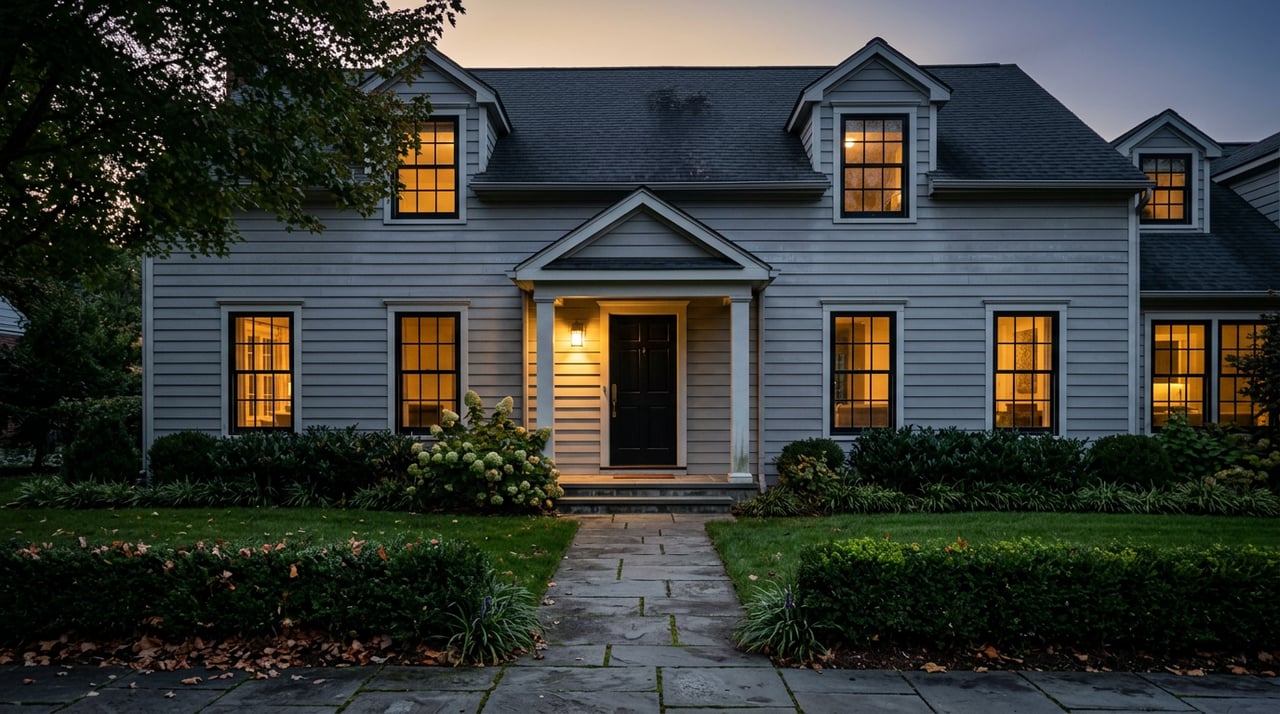
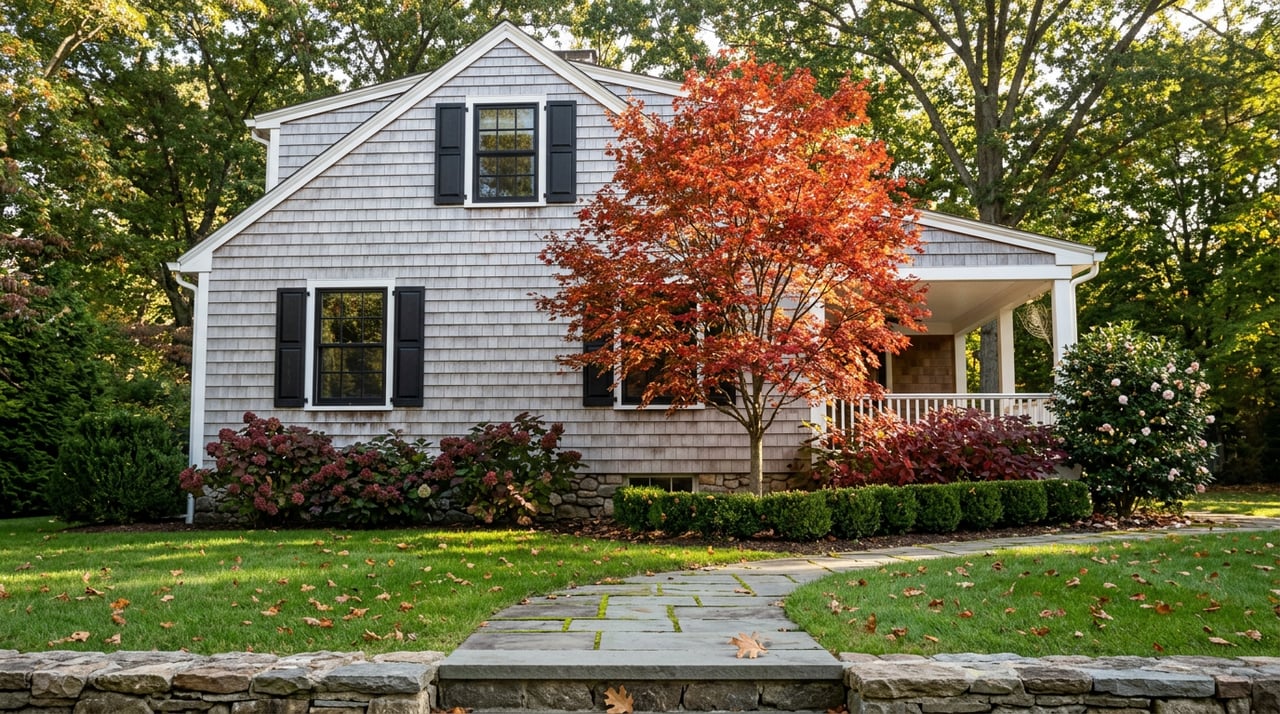
- Historic homes: Bungalows, Craftsman, and Victorians in districts like Oakwood and Boylan Heights. Many buyers value character and front-porch streetscapes.
- Mid-century single-family: Scattered through central neighborhoods, often on smaller lots than suburban tracts.
- Infill and new construction: Townhomes, stacked flats, luxury condos, and mid-rise apartments replacing single lots or older commercial sites. Many include HOA or condo associations.
- Rental apartments: Amenity-rich buildings with studios to 2-bedroom layouts aimed at urban renters.
Prices typically run higher than outlying Wake County suburbs due to location. New supply has expanded choices, but costs vary widely by building and block. For current numbers, review live local MLS data or property records before you set a budget.
Getting around
Commutes and drive times
Living near the core can shorten commutes to downtown jobs. Many residents still drive across the Triangle, including to Research Triangle Park and Cary. Actual times vary by corridor and peak traffic, so test your route during rush hour.
Transit and biking
GoRaleigh buses serve city routes, and Raleigh Union Station anchors Amtrak and regional rail service. Triangle Transit provides regional bus connections, with plans for future enhancements. Bike infrastructure is expanding, and central neighborhoods are among the most bike-friendly in the city.
Airport access
Raleigh-Durham International Airport is usually a 15 to 30 minute drive from central neighborhoods, depending on traffic and time of day.
Schools and services
Public and private options
Central Raleigh is within the Wake County Public School System, one of the nation’s largest. You’ll find traditional public, magnet, and charter options nearby. School assignment depends on your address, so always verify zones for a specific property. Several private and parochial schools operate in or near the city core.
Healthcare and groceries
Hospitals, clinics, and specialty care are a short drive from most central neighborhoods. Grocery options include local markets, national chains, and specialty shops across downtown, Five Points, and Cameron Village area retail.
Dining, culture, and nightlife
The food scene ranges from Southern and barbecue staples to global cuisines and farm-to-table spots. Hubs include Glenwood South, the Warehouse District, and downtown corridors such as Fayetteville and Hargett.
Cultural anchors near downtown include museums of natural sciences and history, with larger fine-arts programming at the North Carolina Museum of Art a short drive away. Performing arts venues host touring shows and local productions. Festivals, live music, and rooftop gatherings give the core a strong evening and weekend draw.
Parks and greenways
Dorothea Dix Park, more than 300 acres near downtown, offers skyline views, festivals, and open space for picnics and casual recreation. Raleigh’s growing greenway network connects central neighborhoods to parks and rivers, making biking and running popular.
For bigger adventures, William B. Umstead State Park and Lake Johnson are a short drive for hiking, paddling, and trails. Pocket parks and playgrounds are spread throughout central neighborhoods, and many areas are dog friendly.
Everyday trade-offs to consider
- Walkability and noise: You can walk to restaurants, events, and shops, but nightlife districts stay lively late. Visit the block on a weekend night to gauge sound levels.
- Parking and yard size: Older lots are smaller, and on-street parking pressure can rise near entertainment or retail nodes. New townhomes often include garages, while apartments may come with structured parking.
- Historic-district rules: Design review can affect exterior changes, additions, and demolitions. Budget time and costs for approvals if you plan renovations in designated areas.
- Development and zoning: Infill and higher-density zoning are bringing new housing and retail. Expect evolving streetscapes and periodic construction.
- Safety and crime patterns: Urban cores see varied patterns, including property crime typical of downtown areas. Review current local crime maps and data for specific blocks.
- Environmental checks: Some properties sit near creeks or floodplains. Verify flood status with FEMA or county GIS layers and consider past storm impacts.
Is it a fit? Quick checklist
Use this short list to test your priorities.
- Commute tolerance: Are your daily routes downtown, RTP, or split across the Triangle?
- Nightlife tolerance: Do you want late-night energy close by, or quieter side streets?
- Yard and parking: Is a smaller yard fine, or do you want more outdoor space and off-street parking?
- School needs: Do you plan to use magnet, charter, private, or assigned public options?
- Housing type: Historic charm, low-maintenance condo, or new townhome with a garage?
- Budget and fees: Confirm current prices, taxes, and any HOA or condo fees.
Smart next steps
- Verify school assignments for any address you are considering.
- Check FEMA and county GIS maps for flood zones and prior storm impacts.
- Review local crime dashboards for your target blocks and corridors.
- Drive and walk the area at different times, including Friday and Saturday nights.
- Test your commute in peak traffic and explore bus or bike alternatives.
- Confirm parking policies for residents and guests, especially near busy nodes.
- Ask about HOA or historic-district guidelines before planning renovations.
- Tour active listings to compare floor plans, noise levels, and building amenities.
Ready to see how your wish list maps to central Raleigh’s neighborhoods? Reach out to Irene Higginson for a tailored neighborhood tour, current listings, and white-glove guidance through every step.
FAQs
What types of homes are common in central Raleigh?
- You’ll find historic bungalows and Victorians, mid-century single-family homes on smaller lots, plus new townhomes, condos, and mid-rise apartments.
How walkable and bikeable is central Raleigh?
- Many downtown and near-downtown areas support 10 to 20 minute walks to dining and errands, with expanding greenways and bike lanes for everyday rides.
What are typical commute patterns from central Raleigh?
- Commutes to downtown are often shorter, while many residents drive to RTP, Cary, and other hubs; test your route during peak hours to gauge timing.
How lively is the nightlife in the core?
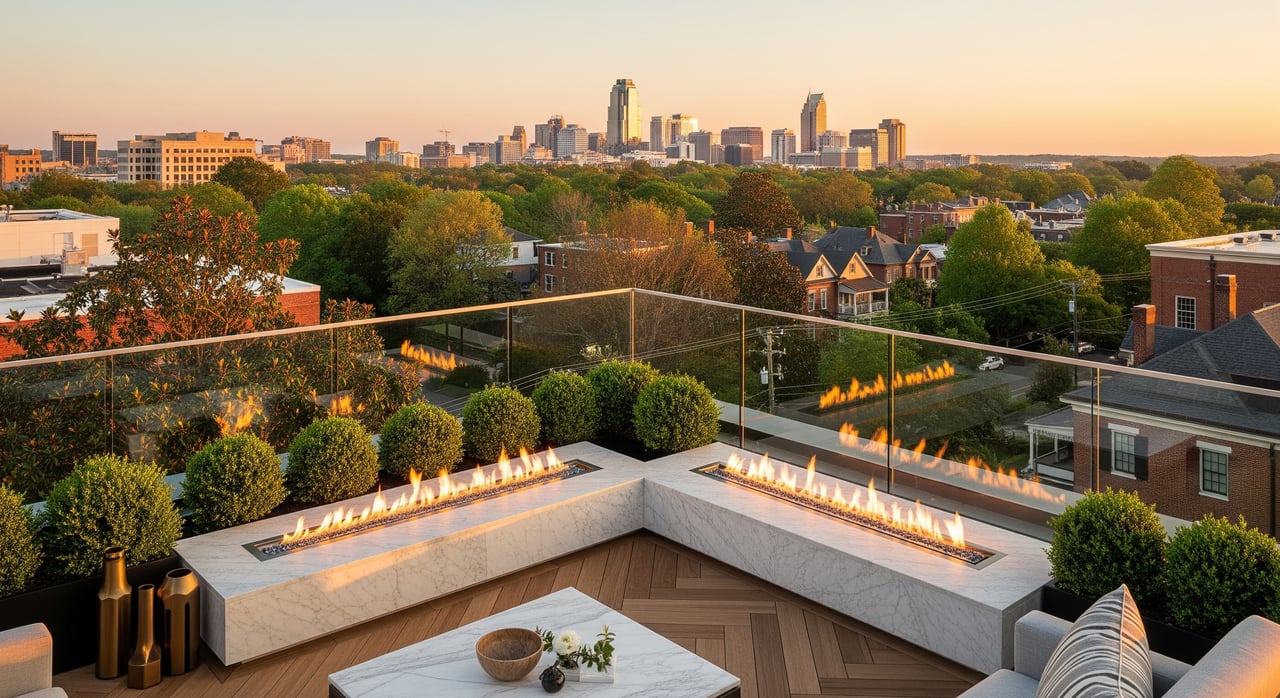
- Glenwood South and downtown corridors draw evening and weekend crowds, with rooftop bars and small venues; expect late-night activity near those streets.
How close are parks and green spaces to central neighborhoods?
- Dorothea Dix Park sits near downtown, with neighborhood parks and a connected greenway system; Umstead State Park and Lake Johnson are a short drive.
Are there historic-district rules for renovations?
- Yes. Design review in designated districts can affect exterior changes, additions, and demolitions, which can add time and cost to renovation plans.
How far is RDU from central Raleigh?
- Raleigh-Durham International Airport is usually a 15 to 30 minute drive from central neighborhoods, depending on traffic and time of day.