Trying to decide when to list your Wake Forest home so you get strong exposure and a smooth move? You are not alone. Timing shapes how many buyers see your home, how quickly you go under contract, and what you net at the closing table. In this guide, you will learn how the local market ebbs and flows across the seasons, what it means for pricing and presentation, and a simple framework to pick your best window. Let’s dive in.
Wake Forest seasonality at a glance
Wake Forest follows a familiar Triangle pattern. Buyer activity tends to rise from late winter into spring, stay active through early summer, then cool in fall and winter. Family schedules, commute-driven job changes, and steady new construction all influence the calendar. Winters are generally mild, so showings continue year-round.
- Spring often delivers the most buyer traffic. Many families aim to close before summer and the new school year.
- Summer remains active early, with some slowdown by late August as vacations end and school restarts.
- Fall brings fewer listings and more serious buyers, but the pool is smaller.
- Winter has the least competition from other sellers. Motivated buyers keep shopping, especially relocators and job transfers.
Local context matters. Wake Forest draws commuters to Raleigh and RTP, move-up families who value community amenities, and buyers comparing resale homes with nearby new construction. Each group behaves a little differently across the year.
Spring: peak exposure
Pros
- Highest buyer traffic and strong odds of multiple showings in many neighborhoods.
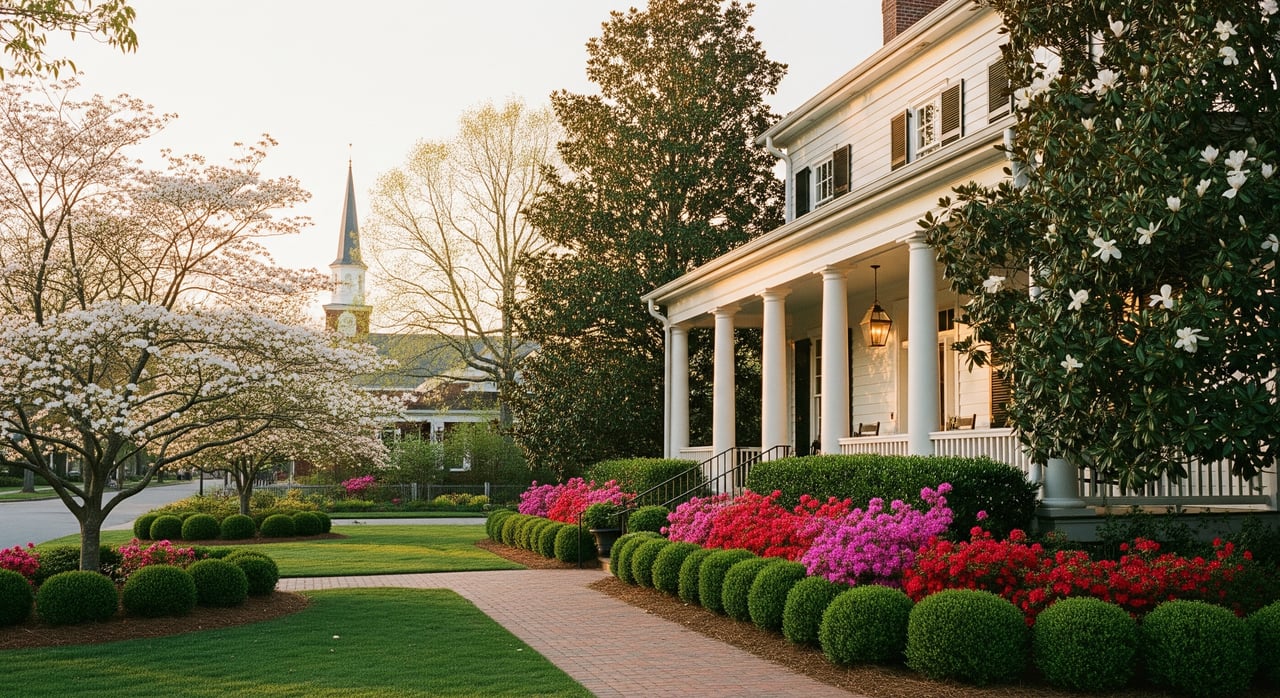
- Fresh landscaping boosts curb appeal and photos.
- Aligns with family timelines that target summer closings.
Cons
- More competing listings crowd the market.
- You may need to prepare faster to hit the window.
Strategy
- Prioritize curb appeal and professional photos.
- Offer flexible showing windows on weekends and evenings.
- Consider pre-listing inspections and quick repairs to avoid delays when offers arrive.
Summer: lifestyle appeal
Pros
- Early summer stays busy with buyers finishing moves before school starts.
- Outdoor features show well, including pools, porches, and decks.
Cons
- Buyer fatigue can set in by late summer.
- Competition can remain elevated.
Strategy
- Emphasize outdoor living and energy efficiency.
- Use twilight photography for lifestyle appeal.
- Be realistic on price if inventory is growing in your segment.
Fall: focused, motivated buyers
Pros
- Fewer competing listings as some sellers pause until spring.
- Serious buyers who are ready to move.
Cons
- Smaller buyer pool can stretch days on market if pricing is aggressive.
- Curb appeal softens as landscaping goes dormant.
Strategy
- Highlight commute convenience, neighborhood amenities, and flexible possession.
- Consider targeted concessions such as closing cost help if needed.
Winter: less competition
Pros
- Lowest seller competition, which can help your home stand out.
- Motivated buyers continue to shop, including relocations and year-end transfers.
Cons
- Scheduling can be tricky around holidays.
- Exterior features do not show as strongly.
Strategy
- Focus on warm, well-lit interiors and energy efficiency.
- Use high-quality photos and virtual tours for remote shoppers.
- Price for the seasonal buyer pool and emphasize convenience.
Decide your best window
The best time to list is the period that matches your goals, neighborhood dynamics, and the current level of inventory and mortgage rates. Use this simple framework to choose.
If you want maximum exposure
- Target late February through May. This often brings the largest audience and faster showing activity.
- Prepare early so you can hit the first wave of spring buyers.
If you want fewer competing listings
- Consider late fall or winter. You may face a smaller buyer pool, but you also compete with fewer homes. Strong marketing and realistic pricing are key.
If moving before the school year is your priority
- Aim to close in May through July. Work backward and allow 4 to 8 weeks of prep before listing.
- Listing in April or May commonly lines up with early summer closings.
If new construction is competing nearby
- Study builder offerings and incentives. Consider listing earlier, before peak builder inventory arrives, or align pricing and incentives to match what buyers see.
Prep checklist by season
A polished presentation pays off in every season. Use these focused checklists to maximize results.
Year-round essentials
- Professional photos and a virtual tour in good daylight.
- Declutter, depersonalize, and stage with neutral accents.
- Complete minor repairs that could spook buyers during inspections.
- Provide accurate, neighborhood-specific details and clear commute info.
Spring and summer focus
- Refresh landscaping with mulch, edging, and seasonal color.
- Power wash exteriors and clean windows for bright photos.
- Keep blinds open and lights on for showings.
- Offer flexible showings, including evenings and weekends.
Fall and winter focus
- Keep walkways clear and exterior tidy. Clean gutters.
- Warm up interiors with layered lighting and soft textures.
- Minimize holiday decor and avoid religious displays.
- Lean on high-quality photography and virtual options for remote buyers.
Data to confirm before you list
Use local, recent data to validate your timing. Review 12 to 24 months of monthly stats and compare the same months year over year so you see true seasonality.
- New listings, pending sales, and closed sales for Wake Forest.
- Median sale price and price per square foot by month.
- Median days on market and days to pending.
- Inventory and months of supply to gauge seller or buyer leverage.
- List to sale price ratio to understand pricing power.
- Share of new construction versus resale in your price band.
- Mortgage rate trends and their impact on buyer demand.
Triangle MLS and Wake County records can provide neighborhood-level clarity. Mortgage rate trends from trusted national sources help explain shifts in buyer urgency. If rates or inventory change quickly, normal patterns can shift.
Neighborhood and buyer nuances to weigh
Wake Forest’s demand is not one-size-fits-all. Match your timing to the most likely buyer for your home.
- Families with school-age children often prefer spring listings that lead to summer closings.
- Commuters to Raleigh and RTP may move year-round, tied to job start dates.
- Move-down and empty-nester buyers can be more flexible and often shop in fall or winter.
- New-home shoppers compare builder incentives with resale value, especially in peak months.
- Walkable historic areas can see steadier interest across the year, while amenity-rich subdivisions may be more seasonal.
The bottom line for Wake Forest sellers
There is no single month that is best for every home. In Wake Forest, late winter through spring often brings the most buyers and the broadest exposure. Fall and winter can work to your advantage if you want to face fewer competing listings and you present the home beautifully with smart pricing. The right plan comes from current data, your neighborhood dynamics, and your personal timeline.
If you want a tailored, marketing-first strategy that aligns with your goals, reach out to Irene Higginson. You will get concierge guidance, premium media, and a data-smart plan to list with confidence.
FAQs
When do Wake Forest homes typically sell fastest and for the most money?
- Late winter through spring often sees the most buyer activity, but confirm current inventory and mortgage rate trends before finalizing your timing.
Does listing in winter mean lower offers in Wake Forest?
- Not always, because there is less seller competition and motivated buyers still shop, so strong presentation and smart pricing can produce solid results.
How far in advance should I prepare for a spring listing in Wake Forest?
- Plan 4 to 8 weeks of prep before you hit the market so you are ready for early spring traffic and can move quickly when offers arrive.
Are some Wake Forest neighborhoods less seasonal than others?
- Historic and walkable areas, and locations closer to major commuter routes, can see steadier interest year-round compared with more seasonal, amenity-focused subdivisions.
How do new home builders affect the best time to list in Wake Forest?
- Builder inventory and incentives can swell in peak months, so consider listing earlier or aligning your pricing and incentives to compete effectively.
Should I wait for mortgage rates to change before listing my Wake Forest home?
- Rates can influence demand and showing traffic, but your personal timeline, neighborhood inventory, and pricing strategy often matter more than trying to time rate moves exactly.