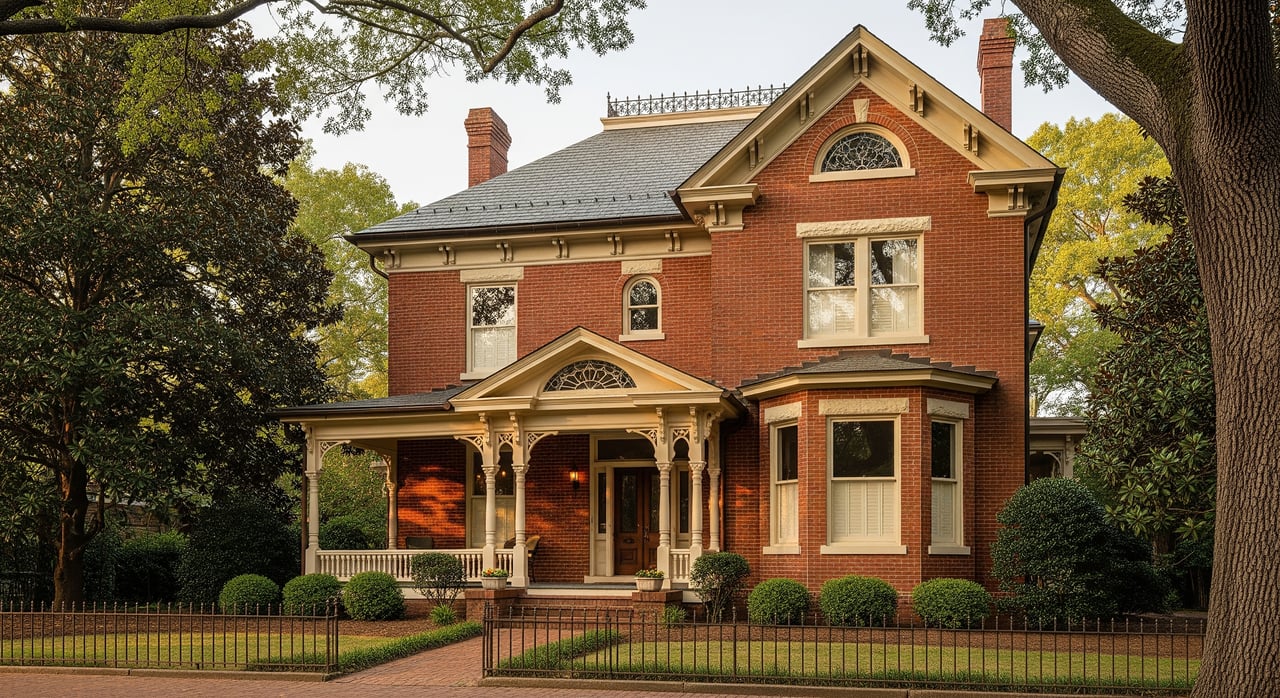
Thinking about buying or selling a historic home in Durham and wondering how the appraisal will play out? You’re not alone. Older homes carry character, craftsmanship, and sometimes extra rules that can shape value and loan approval. In this guide, you’ll learn how appraisers look at Durham’s historic properties, what factors drive value, how to prepare, and what to expect from start to finish. Let’s dive in.
How historic-home appraisals work
Appraisals provide an independent opinion of market value as of a specific date. For mortgage loans, appraisals follow lender program rules and ethical standards. Appraisers commonly rely on the sales comparison approach, then may add the cost approach and, when relevant, an income approach for properties with rental potential.
For single-family homes, the Uniform Residential Appraisal Report is typically used. If you are using FHA financing, the appraiser also notes health and safety issues that may require repair for loan approval. Appraisers must be competent with the property type and location, which includes experience with older construction and local historic districts.
What “historic” means in Durham
In Durham, a home can be considered historic if it is individually designated, located in a local historic district, listed on the National Register, or simply features notable period details. Appraisers identify any legal designations because they may require design review for exterior changes.
Design review and preservation covenants can affect marketability by limiting certain alterations. Some buyers value this stability and authenticity. Others worry about added cost and approvals, and that can influence value.
Comparable sales in older neighborhoods
Appraisers begin with location, then look for homes of similar age, style, and size. In Durham’s historic areas, truly comparable sales can be limited. When few nearby options exist, appraisers may draw from similar-era neighborhoods like Trinity Park, Duke Park, Morehead Hill, or Old West Durham, while carefully explaining adjustments.
Recent closed sales are preferred. Pending or active listings may provide context but are used cautiously. Expect the appraiser to explain why each comp was chosen, how differences were adjusted, and what the data supports.
Key factors that drive adjustments
Condition and systems
Condition is often the biggest factor in older homes. Buyers may discount for aging roofs, older HVAC, plumbing, or electrical systems, or any structural or moisture issues. Modernized systems and documented maintenance reduce perceived risk and can support higher value.
Original features and historic details
Well-preserved millwork, hardwoods, mantels, built-ins, and original windows often contribute to value. The contributory value is typically supported by local market evidence, not just cost. If original elements are deteriorated, the appraiser may adjust downward for repair needs.
Renovations, additions, and permits
Quality, code-compliant additions and kitchen or bath updates generally help value, especially when they fit the home’s character. Unpermitted work can trigger lender conditions, reduce value, or require correction before closing. Clear permit documentation helps the appraiser consider improvements fully.
Effective age and depreciation
Older homes can have a much lower effective age if systems, finishes, and structure are well cared for. In the cost approach, appraisers account for physical wear, functional issues, and outside influences. Strong historic integrity can offset some functional obsolescence for buyers who value authenticity.
Permits, safety items, and loan programs
Permit history and lender expectations
Lenders often require proof of permits for major renovations. If the appraiser identifies unpermitted work, the lender may condition the loan on remediation or documentation. Being proactive with permits prevents delays.
FHA observations and required repairs
If you use FHA, the appraiser must note health and safety issues. Items like peeling paint on pre-1978 surfaces, unsafe electrical conditions, or structural hazards may need repair for loan approval. Plan ahead for potential fixes.
Environmental and health hazards
Older homes can include lead-based paint, asbestos-containing materials, or outdated wiring types. If the appraiser observes potential hazards or visible deterioration, they may call out further inspection. Expected remediation costs can affect value.
Tax incentives and preservation considerations
Federal and state historic rehabilitation incentives most often apply to income-producing properties. These programs can improve project feasibility and shape buyer expectations for investment recovery. For owner-occupied homes, incentives vary at the state or local level. In Durham, check with the City’s Historic Preservation program and the North Carolina State Historic Preservation Office to understand current options.
When the cost approach matters most
The cost approach becomes more important when comparable sales are scarce or a home is architecturally significant. Reproducing historic craftsmanship can be far more expensive than standard construction. Appraisers may consult contractor estimates and recognized cost data to support conclusions and adjust for depreciation.
How to prep your home for appraisal
If you are selling a historic home, organize a concise packet to help the appraiser see the full picture:
- Permit records for major work and any design-review approvals.
- Contractor invoices, warranties, and specs for systems like roof, HVAC, electrical, and plumbing.
- A summary of renovations with dates, plus before-and-after photos if available.
- Documentation of historic designation or any preservation easements.
- Floor plan, survey, and boundary details if your lot or footprint is unique.
- Proof of completed remediation for lead, asbestos, or structural repairs.
If you are buying, use due diligence to protect your investment:
- Request the seller’s permit history and maintenance records.
- Consider an inspection by a specialist familiar with historic construction.
- Verify any preservation restrictions and design-review requirements with the City.
- If planning changes, estimate timelines and costs for approvals before you close.
Setting expectations on value
Historic character can attract a passionate buyer pool that pays a premium for authenticity. The same features can also narrow the audience due to maintenance costs or design review. Market conditions matter. In stronger markets, character often commands more, while softer conditions may reduce premiums.
Appraisers analyze how the local market reacts to these trade-offs today. Expect a thoughtful narrative explaining which comparables reflect buyer preferences and how unique features influenced the conclusion.
Partner with a local, hands-on team
You deserve guidance that balances market data with the nuances of historic homes. A pre-listing appraisal or a detailed pricing consultation can surface issues early and help you present your home at its best. With professional photography, clear documentation, and strategic positioning, you can give appraisers and buyers confidence in the value.
If you are planning a sale or purchase in Durham’s older neighborhoods, connect with a trusted advisor who knows the local process and can coordinate the right experts. To get started, reach out to Irene Higginson for a consult.
FAQs
How do appraisals treat original woodwork and fireplaces in Durham historic homes?
- Appraisers typically treat well-preserved originals as contributing features and support value through local comparable sales and contributory-value analysis.
Do unpermitted renovations reduce appraised value on historic homes?
- Yes. Lenders often require permits or remediation, and appraisers may adjust value or note loan conditions until the work is documented or corrected.
How do historic designations affect value in Durham?
- It depends on buyer preferences. Some buyers pay premiums for authenticity and neighborhood stability, while others discount for restrictions and maintenance.
When is the cost approach important for a Durham historic home?
- When comparable sales are scarce or a home is architecturally unique, appraisers rely more on the cost approach and adjust for depreciation.
What should sellers prepare before a historic-home appraisal?
- Gather permits, contractor invoices, warranties, renovation summaries, designation documents, surveys, and any remediation proofs to speed the process.
What should buyers of Durham historic homes verify during due diligence?
- Confirm permit history, consider a specialist inspection, verify any design-review requirements, and assess timelines and costs for planned changes.