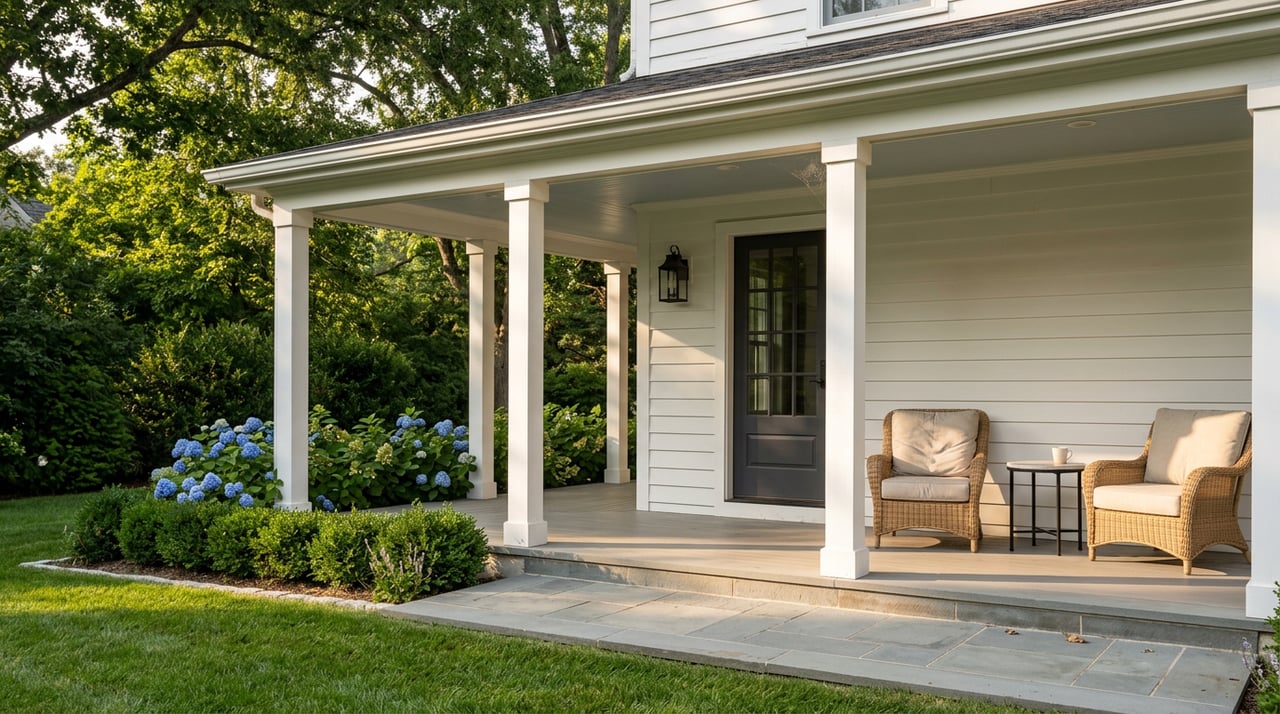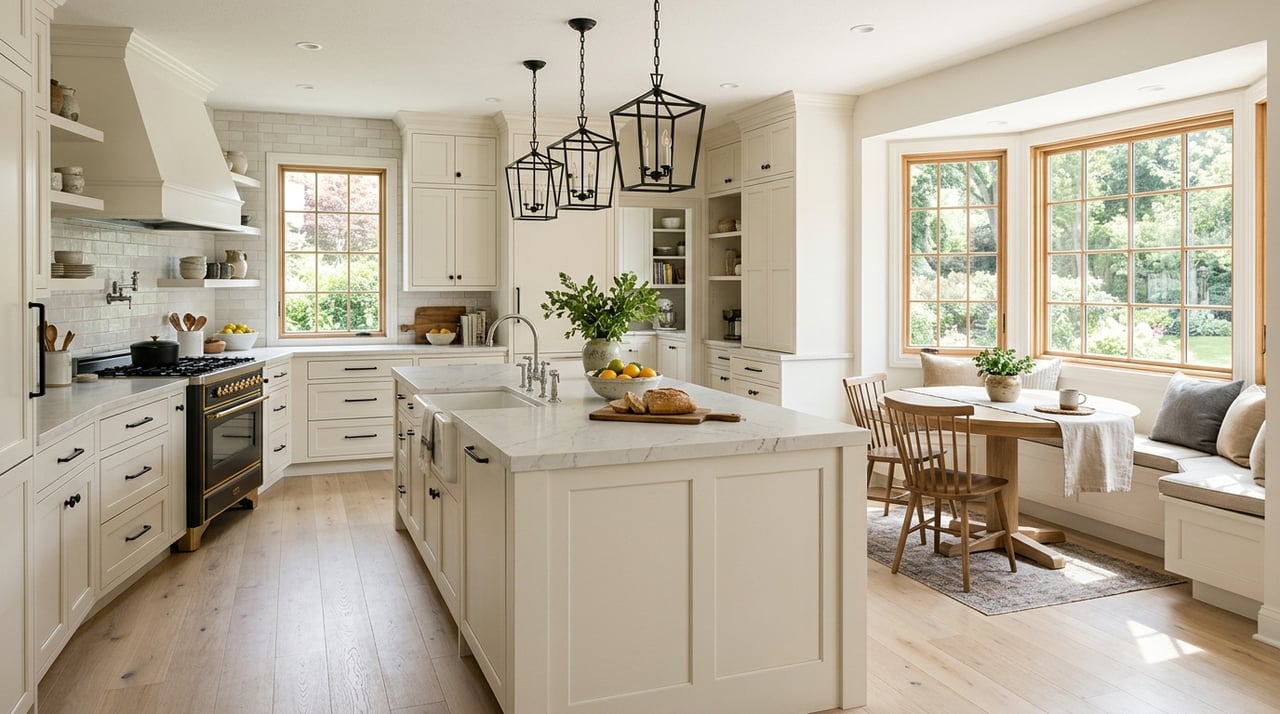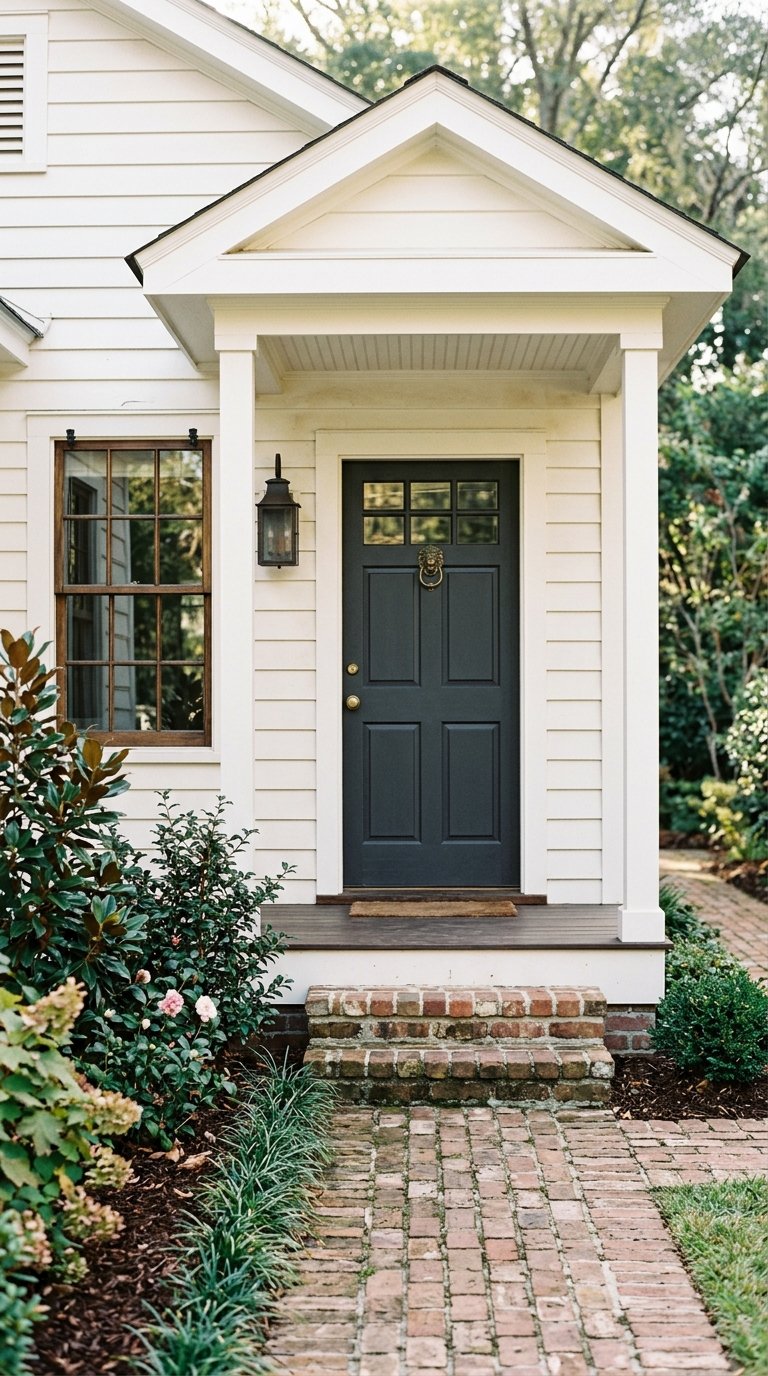
Trying to choose between North Raleigh and Midtown can feel like picking between space and convenience, especially if you are relocating or moving up and want to get it right the first time. Both areas offer strong reasons to buy, but they live differently day to day. If you want a clearer way to compare home styles, lot sizes, commute patterns, and overall lifestyle, this guide will help you sort through the tradeoffs. Let’s dive in.
Start With How You Want to Live
The biggest difference between North Raleigh and Midtown is not just geography. It is how each area is planned and how that affects your everyday routine.
Midtown is being shaped to feel more walkable and connected. Raleigh’s Midtown-St. Albans Area Plan calls for features like new bridges, a greenway connection, green streets, and a Midtown Ring, along with land-use policies that support more housing and jobs. In simple terms, that points to a more urban, connected experience over time.
North Raleigh is more corridor-based in how the city plans for growth and movement. The Capital Boulevard North Corridor Study and related work along Six Forks Road focus on safer travel for drivers, walkers, cyclists, and bus riders, with improvements like sidewalks, transit shelters, and traffic calming on nearby residential streets. That tends to support a more suburban pattern with stronger dependence on major roads.
If you are deciding between the two, this is a useful starting point: Midtown often fits buyers who want a more connected routine, while North Raleigh often fits buyers who want more separation between home and the busier parts of the city.
Compare Housing Styles and Lot Sizes
Midtown Homes: Character and Variety
Midtown and nearby inside-the-Beltline areas are known for older housing stock, established streetscapes, and architectural variety. Several neighborhoods reflect Raleigh’s early suburban growth, and many homes carry details that buyers love, from bungalows to Colonial Revival styles.
For example, Boylan Heights is one of Raleigh’s earliest planned suburban neighborhoods and is known for Craftsman bungalows and curving streets. Bloomsbury developed around the old streetcar era and includes bungalows and modest postwar homes. Mordecai Place features a modified grid plan and brick Colonial Revival houses, while Cameron Park was originally marketed as one of Raleigh’s more upscale early-20th-century suburbs.
Midtown also includes mixed-use and mid-century patterns. Cameron Village was North Carolina’s first mixed-use subdivision, with commercial spaces, offices, garden apartments, and single-family homes. Longview Gardens adds even more variety, including Colonial Revival, Tudor Revival, Ranch, Split-Level, and Modernist homes.
If you are drawn to architecture, established trees, and homes with a sense of history, Midtown usually offers more of that character.
North Raleigh Homes: Space and Setbacks
North Raleigh is not all one thing, but many buyers associate it with detached homes, wider setbacks, and larger lots. A North Hills case study gives a helpful example of that pattern, describing 442 single-family lots across 175 acres, with homes dating from 1944 to 2017 and substantial tree cover throughout.
That same case proposed minimum lot sizes of 14,000 square feet and lot widths of 90 to 110 feet. While that does not describe every part of North Raleigh, it reflects the larger-lot scale many buyers expect north of the Beltline.
In practical terms, North Raleigh is more likely to give you:
- A detached home
- A wider lot or larger yard
- More distance between neighboring homes
- A subdivision setting or newer construction in some pockets
If your wish list starts with square footage, outdoor space, and a more suburban street pattern, North Raleigh may feel like a better fit.
Think About Your Daily Commute
Where you buy affects more than your address. It shapes how often you drive, how long everyday errands take, and how connected you feel to central Raleigh.
Midtown and inside-the-Beltline areas are generally better positioned for shorter trips to downtown jobs, restaurants, and entertainment. Raleigh’s R-Line serves as a downtown circulator, connecting residents, employees, and visitors to parking, retail, restaurants, and entertainment in the Central Business District, with service running about every 15 minutes.
The city’s Five Points study also notes that parts of the Glenwood Avenue corridor near downtown were developed before World War II and already have sidewalks and curb-and-gutter infrastructure, though safer crossings and better transit access remain ongoing needs. That kind of built environment tends to support shorter non-car trips.
North Raleigh is different. Commute patterns are often more road-based, especially along routes like Capital Boulevard and Six Forks Road. City projects there are working to improve movement and safety, but the basic pattern still tends to favor driving more often.
A simple way to think about it is this:
- Choose Midtown if you want easier access to downtown and a better chance at a car-light routine
- Choose North Raleigh if you want easier access to major roads and do not mind driving for more daily needs
Consider the Lifestyle Feel
Midtown: More Urban and Active
Midtown and nearby inside-the-Beltline neighborhoods often appeal to buyers who want older homes, tree-lined streets, and quicker access to central Raleigh. The overall feel is often more active, with a stronger sense of connection between residential areas and nearby dining, shopping, and entertainment.
The city’s planning for Midtown also supports a future where you may not need your car for every trip. If that kind of convenience matters to you, Midtown deserves a close look.
North Raleigh: Quieter and More Suburban
North Raleigh often appeals to buyers who want more house, more yard, and a quieter residential feel. Even in areas near mixed-use centers, the dominant pattern is still low-density single-family living in many sections.
That does not mean North Raleigh lacks access to shopping or dining. It means the overall setup is usually more spread out, with home life and errands tied more closely to driving corridors.
If your ideal day involves more privacy, a larger homesite, and a neighborhood that feels more suburban than urban, North Raleigh may check more of your boxes.
Watch for Historic Rules in Midtown
One important detail for buyers in Midtown and inside-the-Beltline areas is historic status. Some neighborhoods are in local historic overlay districts or National Register districts, which can affect what exterior changes you may be allowed to make.
That does not mean these homes are harder to own. It simply means you should understand the review process before you commit, especially if you already know you want to renovate or change exterior features.
North Raleigh can include preservation-minded pockets too, but buyers there are often focused more on lot size, age of construction, and access to commuter roads than on design review.
Which Area Fits Your Priorities?
If you are still deciding, it helps to match your priorities to the type of place that supports them best.
North Raleigh may fit better if you want:
- More square footage potential
- A larger yard or wider lot
- Detached homes in a suburban setting
- Newer construction in some subdivisions or redeveloped pockets
- Easy access to major commuter roads
Midtown may fit better if you want:
- Historic charm and architectural character
- Faster access to downtown Raleigh
- A more walkable or connected daily routine
- Tree-lined streets and established neighborhood fabric
- A more urban feel with mixed-use growth
For many buyers, the clearest rule of thumb is this: North Raleigh often makes sense if you want more house and yard for the money and are comfortable driving most places. Midtown often makes sense if you want character, convenience, and a more walkable everyday lifestyle.
A Smart Way to Narrow Your Search
If both areas appeal to you, try comparing them through your real daily habits instead of broad labels. Think about how often you want to drive, whether yard size matters, how much home maintenance you want, and whether charm or newer construction is more important.
It also helps to tour both types of neighborhoods in person. A larger lot in North Raleigh may feel worth every extra minute in the car, or a Midtown street with older homes and central access may immediately feel like the right match.
The best choice is not the one with the most buzz. It is the one that fits how you actually want to live now and in the next few years.
Whether you are relocating to the Triangle, moving across Raleigh, or preparing to sell one home and buy another, thoughtful local guidance can make the process much easier. If you want help comparing neighborhoods, narrowing your search, or planning your next move, connect with Irene Higginson.
FAQs
Is North Raleigh or Midtown better for newer construction in Raleigh?
- North Raleigh is more likely to offer newer construction, especially in subdivision settings and redeveloped pockets.
Which area has more historic charm in Raleigh?
- Midtown and nearby inside-the-Beltline neighborhoods generally offer more historic charm, with areas such as Boylan Heights, Bloomsbury, Mordecai Place, and Cameron Park reflecting Raleigh’s earlier development patterns.
Which area supports a more walkable lifestyle in Raleigh?
- Midtown is more likely to support a car-light lifestyle because Raleigh’s planning for the area is focused on stronger connections, walkability, and reducing the need to drive for every trip.
Where are larger lots more common, North Raleigh or Midtown?
- Larger lots are more commonly associated with North Raleigh, where many neighborhoods follow a more suburban pattern with wider setbacks and more spacious homesites.
Should buyers in Midtown check for historic district rules?
- Yes. Some Midtown and inside-the-Beltline neighborhoods are in historic districts or overlay districts, which can affect exterior changes and design review requirements.