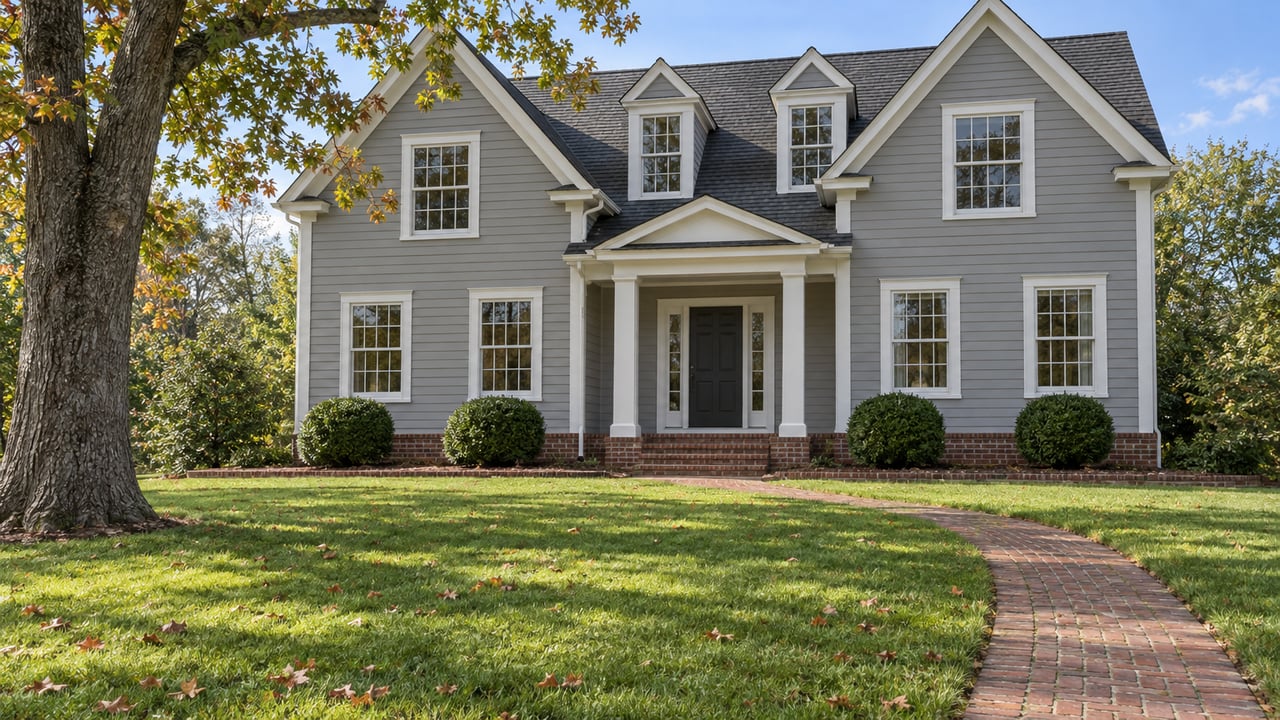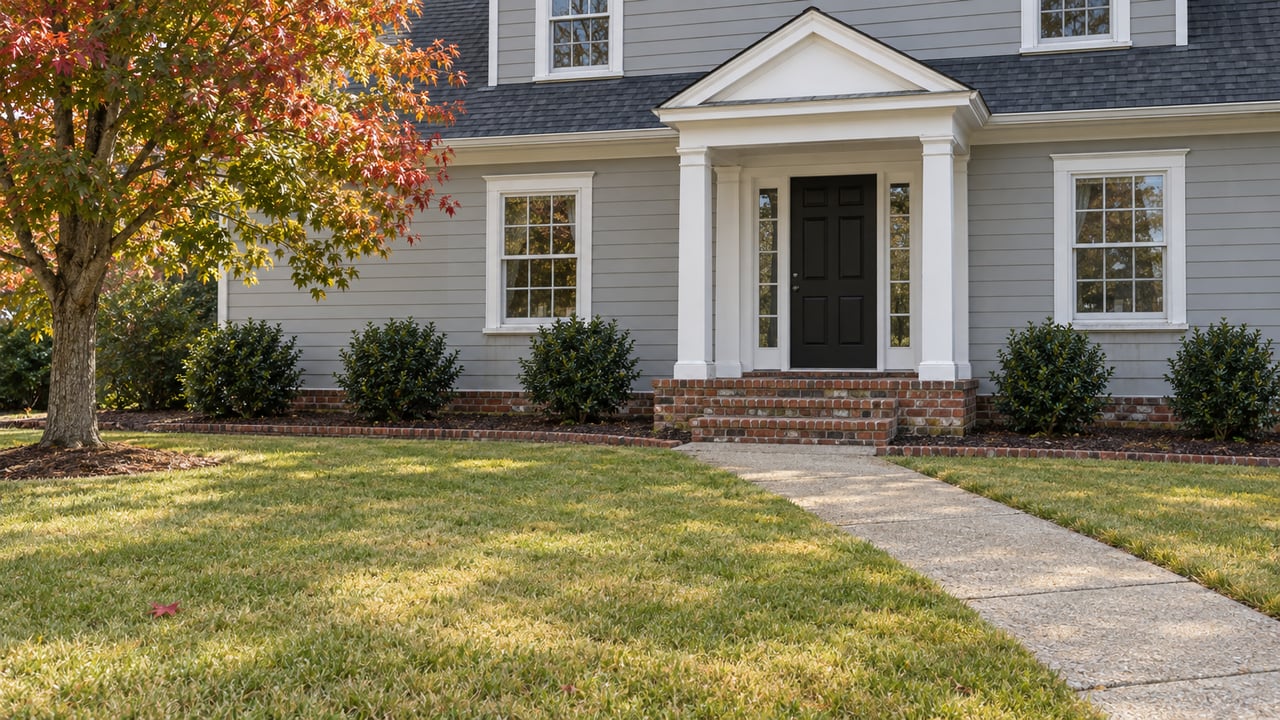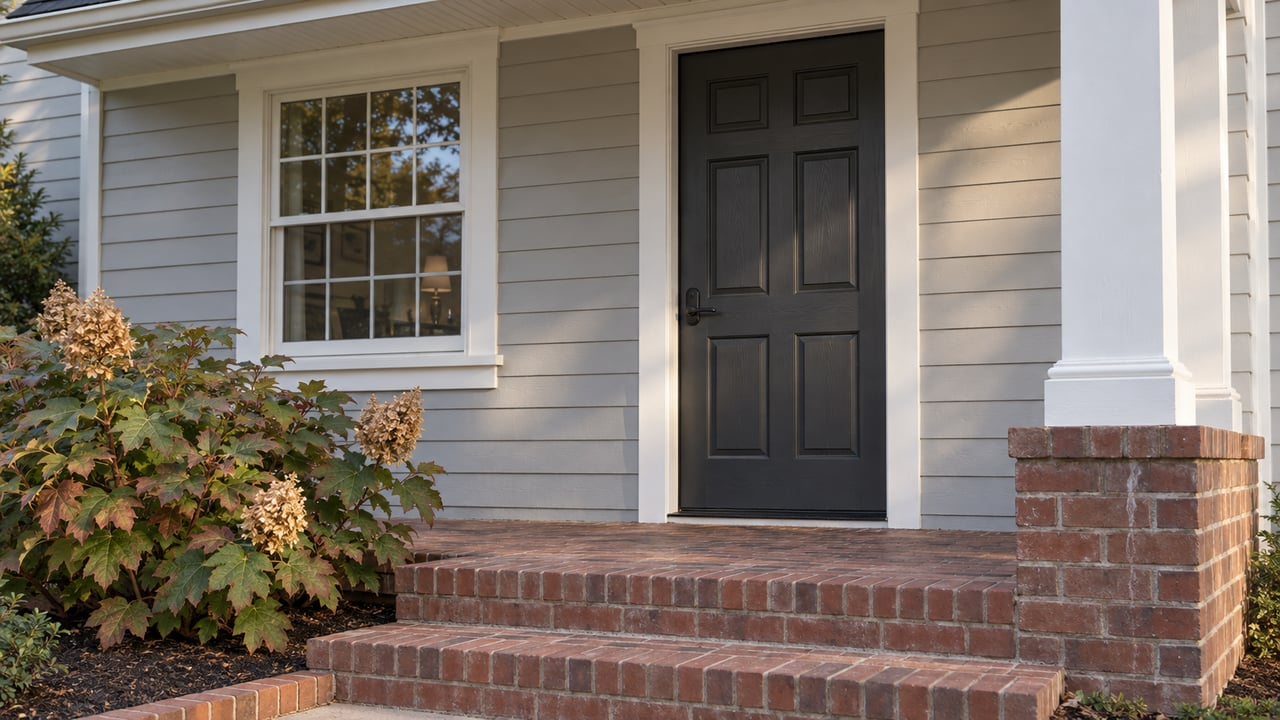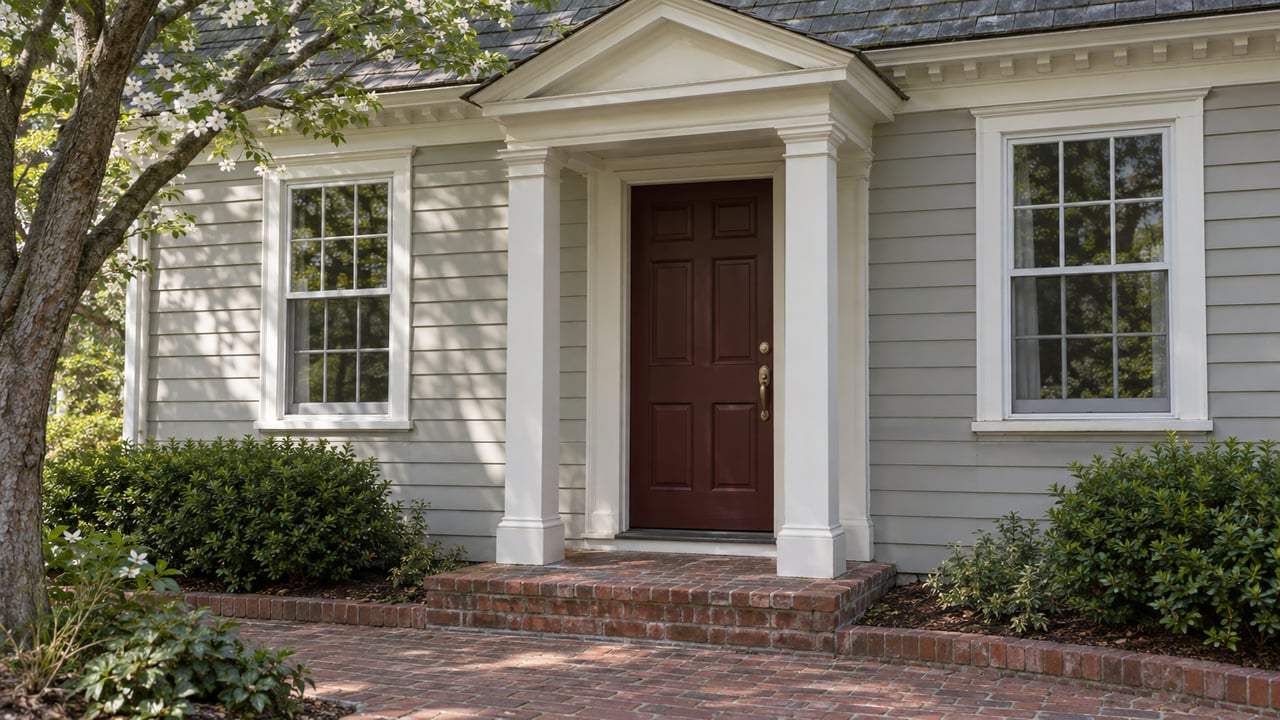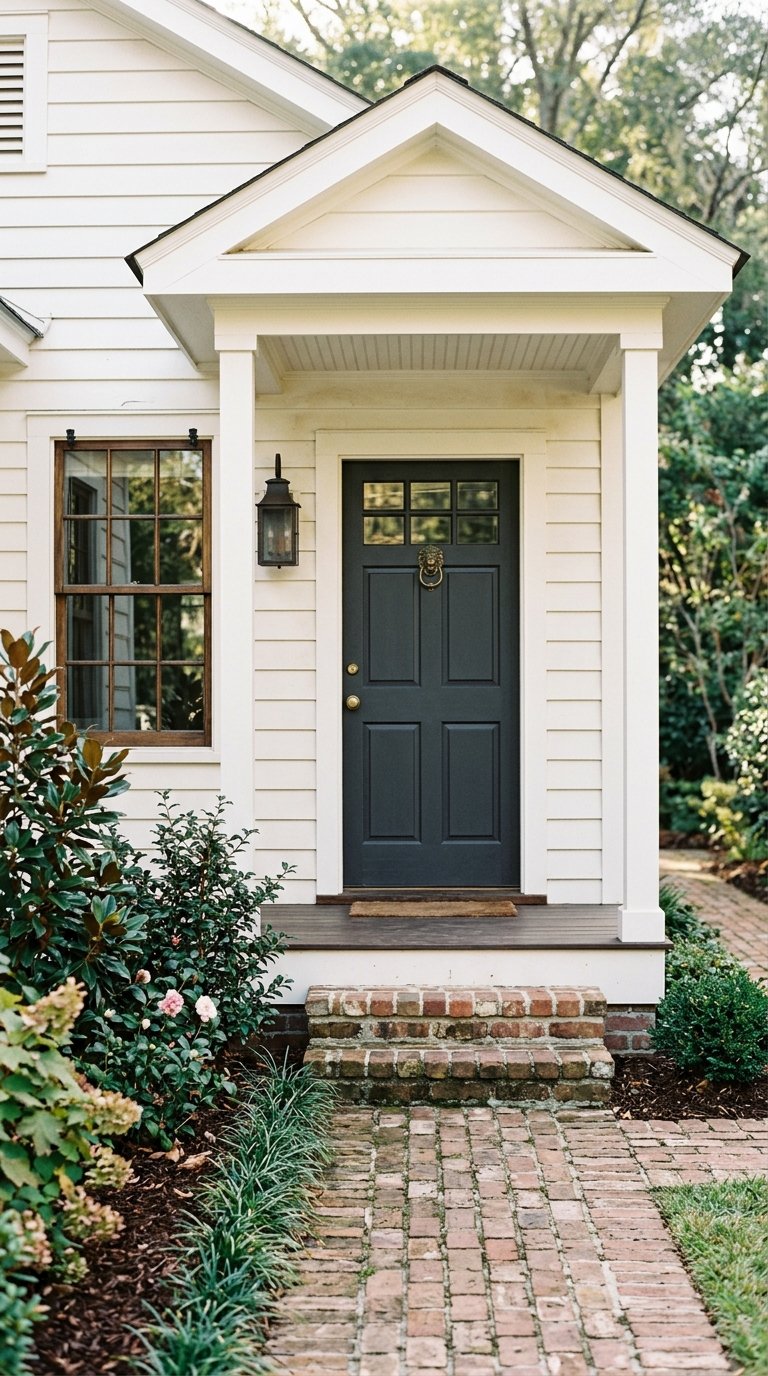
If you are home shopping in Wake Forest, one thing becomes clear fast: this town does not have just one look. You can find porch-lined historic streets near downtown, simple mid-century homes with long rooflines, and newer neighborhoods built around trails, lakes, and shared amenities. Understanding those style differences can help you narrow your search, picture your lifestyle, and spot the kind of home that truly fits. Let’s dive in.
Why Wake Forest Feels So Varied
Wake Forest has a distinct mix of old and new. The town’s historic identity is strongest around the former Wake Forest College campus and downtown, while newer growth has expanded outward through suburban neighborhoods and master-planned communities.
That blend is part of what makes the market interesting. The town also has a high owner-occupied housing rate of 74.0%, and the median value of owner-occupied homes is $474,500, which helps explain why you will see both long-established neighborhoods and newer move-in-ready communities across town.
Historic Homes Near Downtown
If you are drawn to character, downtown-adjacent Wake Forest is where you will see the broadest range of older home styles. The town has four historic districts, and the area around North Main Street and the original college campus includes examples of American architectural styles dating from 1820 to 1956.
These homes often stand out because of their porches, rooflines, and overall shape. In older parts of Wake Forest, you may notice homes that feel more formal and symmetrical, alongside others that are more decorative and irregular.
North Main Street Character
North Main Street, once known as Faculty Avenue, is described by the town as the earliest residential avenue in Wake Forest. It contains a wide architectural mix, which makes it one of the best areas to study the town’s historic housing story.
Here, you might see Federal, Greek Revival, Queen Anne, Colonial Revival, Ranch, and even mid-century modern influences. For buyers, that means no single historic-home template defines the area.
What Queen Anne Homes Look Like
Queen Anne homes are among the most visually detailed older styles in Wake Forest. The town’s preservation materials describe them as irregular in plan and massing, often using a variety of textures.
In practical terms, that can mean towers, wraparound porches, bay windows, decorative shingles, and a less uniform shape from front to back. If you love homes with visual personality, this is one of the styles that often catches your eye first.
What Greek Revival And Colonial Revival Look Like
Greek Revival and Colonial Revival homes usually read as more orderly and balanced. These styles often feature symmetrical facades, central entrances, columns, and cleaner roof geometry.
If you prefer a classic, composed exterior, these homes may appeal to you. They tend to feel timeless rather than ornate.
Smaller Historic Home Types
Not every older home near downtown is large or formal. Wake Forest’s architectural record also includes shotgun houses, I-houses, Victorian cottages, gable-ell houses, and bungalows.
That variety matters if you want historic charm without the footprint of a larger house. Local preservation materials describe bungalows as one-story homes with irregular floor plans and low-pitched roofs with wide overhangs.
Downtown And Mill-Village Feel
For many buyers, style is not just about the house. It is also about the streetscape, block pattern, and overall feel of the area.
Downtown Wake Forest has a denser, older main street character than newer suburban corridors. The historic commercial core is largely made up of brick buildings built between 1890 and 1949, usually one to three stories tall, which supports a more compact and walkable environment.
A More Walkable Historic Setting
The town and Wake Forest Downtown, Inc. present downtown as a walkable destination with locally owned retail and dining. That gives nearby housing a different rhythm than what you might find in newer subdivisions.
If you are looking for older materials, smaller blocks, front porches, and a stronger pedestrian feel, this part of Wake Forest offers some of the clearest examples.
Glen Royall Mill Village Homes
The Glen Royall Mill Village Historic District adds another layer to Wake Forest’s older housing stock. The town describes it as one of the most intact mill villages in Wake County, with original housing stock and streetscapes that largely remain in place.
Its dominant house type is a pyramidal-roofed, four-room form with a central brick flue. For buyers, that creates a very different feel from larger faculty homes or later suburban houses.
Mid-Century And Postwar Homes
Not every older home in Wake Forest is deeply historic or highly decorative. Many postwar homes move toward simpler forms that still have plenty of appeal.
Wake Forest’s preservation handbook identifies Ranch, Minimal Traditional, and Cape Cod homes as part of the town’s 1935 to 1955 housing vocabulary. These styles usually feel more streamlined and less ornamental than earlier homes.
Ranch Home Features
Ranch homes are known for low-pitched roofs, horizontal massing, minimal detailing, picture windows, and often a large chimney. In Wake Forest, this style reflects the broader postwar shift toward simpler suburban living.
If you want a home with a lower profile and a more casual layout, Ranch homes are worth a look. They often feel practical, easy to live in, and visually grounded.
Cape Cod And Modernist Details
Cape Cod homes bring a different silhouette, usually with steeper roofs and dormers. They can feel a bit more vertical and compact than Ranch homes while still fitting into the postwar period.
Wake Forest also includes early modernist examples. The town identifies the Byrne House as its earliest modernist landmark and describes the Mutschler House as a mid-century modern residence with deep eaves, board-and-batten siding, and a cantilevered carport.
Why Form Matters More Than Labels
One useful point for buyers is that older homes may have been updated over time without losing their original form. Wake Forest’s preservation materials note that later additions and alterations can have significance too.
That means it helps to look beyond a listing label. Roof shape, massing, window placement, and porch design often tell you more about a home’s architectural roots than a simple one-word style tag.
New-Build Styles In Wake Forest
If your preference leans newer, Wake Forest offers a very different housing experience in its growing communities. New construction here is not random. The town’s planning standards encourage new development to respect surrounding character through compatible rooflines, massing, street relationships, window and door patterns, and materials.
That approach helps explain why many newer neighborhoods still feel connected to Wake Forest’s established character, even when the homes are clearly modern in layout and function.
Traditional Neighborhood Design
Some newer communities are shaped around traditional neighborhood design rather than a purely conventional subdivision layout. Holding Village is a strong example.
This 257-acre master-planned community is centered on Holding Lake and planned for up to 1,350 residential units, including single-family homes, townhomes, and multi-family units. Its design emphasizes porches, parks, trails, and lake-oriented amenities, creating more of a planned village feel.
Large-Scale Planned Communities
Heritage is another major name in Wake Forest housing. The town says the development began in 2000 on a 2,600-acre site and later received North Carolina Home Builders Association Master Planned Community of the Year honors in 2003 and 2007.
For buyers, communities like this often offer a recognizable neighborhood identity, a wider range of home sizes, and amenities built into the overall plan.
Cottage And Farmhouse-Inspired Exteriors
Many newer Wake Forest homes use familiar traditional details in a fresh way. Builder descriptions in town examples reference cottage-style homes and farmhouse-inspired exteriors with features such as board-and-batten shutters and stone accents.
Visually, that often means front porches, crisp trim, simple but appealing facades, and a polished curb appeal that feels current without looking stark.
Amenity-Centered Living
Another new-build pattern in Wake Forest is the amenity-centered community. Del Webb at Traditions, for example, includes 455 homes along with pocket parks, water features, a greenway, a dog park, a community garden, and a large community center.
In many newer neighborhoods, the tradeoff is clear: less historic ornament, but more community amenities, open-concept interiors, and neighborhood planning built around shared outdoor spaces.
How To Match Style To Lifestyle
The best home style for you often comes down to how you want to live day to day. Wake Forest gives you several distinct choices.
If you want charm, porches, and a more established setting, historic areas near downtown may be the right fit. If you prefer simpler architecture and mature neighborhoods, mid-century and postwar homes can offer a practical middle ground. If you want newer finishes, planned amenities, and lower-maintenance living, newer communities may make more sense.
Here are a few ways to think about it:
- Historic districts: Best if you love character, variety, and older streetscapes
- Downtown-adjacent areas: Best if you want a more compact, walkable setting
- Mill-village homes: Best if you appreciate modest historic forms and strong local history
- Mid-century neighborhoods: Best if you like simple lines, lower rooflines, and established suburban feel
- New-build communities: Best if you want updated layouts, neighborhood amenities, and coordinated design
What Buyers Should Notice On A Tour
When you tour homes in Wake Forest, try to notice the visual details that shape how a home feels. Pay attention to the roofline, the home’s overall massing, porch depth, window placement, and how the house sits on the lot.
Also look at the streetscape. In Wake Forest, the surrounding blocks often tell you just as much as the home itself. Historic areas may offer smaller blocks and older materials, while newer neighborhoods may emphasize sidewalks, green space, garages placed toward the rear, and community gathering areas.
Historic Rules And New Construction Fit
If you are considering a home in a locally designated historic area, it is important to understand that exterior changes may require a Certificate of Appropriateness. Wake Forest’s historic preservation program is designed to safeguard the districts and landmarks that reflect the town’s architectural history.
For newer construction, the town’s standards encourage compatibility rather than exact imitation. New homes are expected to relate to surrounding scale, roof shapes, massing, setbacks, and material character without copying older styles exactly.
A smart home search in Wake Forest is about more than square footage or year built. It is about recognizing the kind of setting, architecture, and daily experience that feels right for you. If you want help comparing historic charm, mid-century simplicity, and newer community living in Wake Forest, connect with Irene Higginson for thoughtful, local guidance.
FAQs
What home styles are common in Wake Forest, NC?
- Wake Forest includes a wide mix of home styles, including Federal, Greek Revival, Queen Anne, Colonial Revival, bungalows, Ranch homes, Cape Cod homes, mid-century modern homes, and newer cottage-style or farmhouse-inspired homes.
Where can you find historic homes in Wake Forest?
- Historic homes in Wake Forest are most closely associated with the areas around downtown, North Main Street, the original college campus, and the town’s historic districts.
What makes downtown Wake Forest homes feel different?
- Homes near downtown Wake Forest often feel different because they are tied to older streetscapes, smaller blocks, more visible front porches, and a walkable historic setting.
What do mid-century homes in Wake Forest look like?
- Mid-century and postwar homes in Wake Forest often include Ranch, Minimal Traditional, and Cape Cod forms with lower rooflines, simpler detailing, horizontal massing, and larger windows.
What defines new-build communities in Wake Forest?
- New-build communities in Wake Forest often feature front porches, coordinated exterior design, open-concept interiors, and amenities such as trails, lakes, parks, clubhouses, and other shared spaces.
What should buyers know about historic districts in Wake Forest?
- Buyers considering locally designated historic properties in Wake Forest should know that exterior changes may require a Certificate of Appropriateness under the town’s historic preservation program.