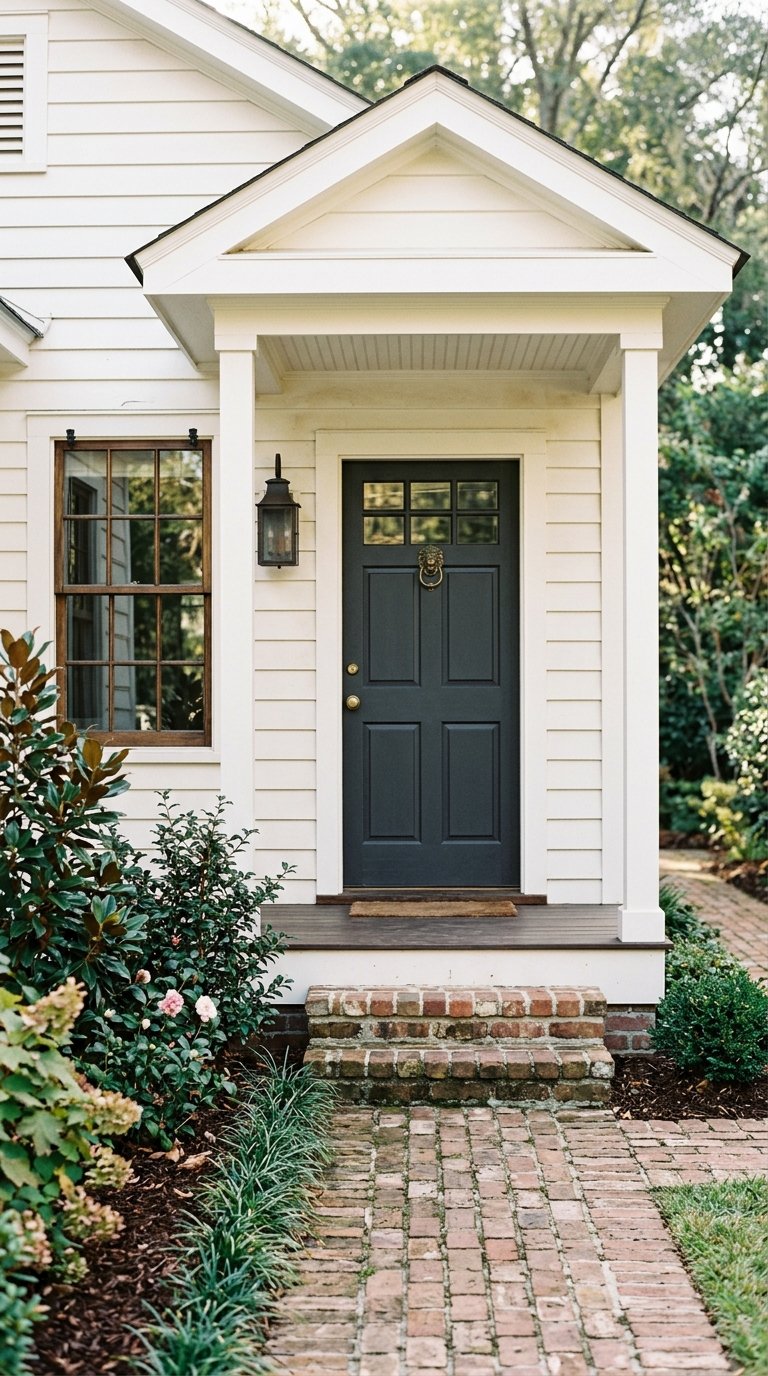
Wondering if you can really buy a home in Wake Forest without living nearby for the search, paperwork, and closing? In many cases, you can, but the process works best when you understand what must happen locally, what can happen electronically, and where an in-person visit still matters most. If you are relocating to Wake Forest from out of state or from another part of North Carolina, this guide will help you understand how remote purchases typically come together from offer to closing day. Let’s dive in.
Why Wake Forest Works for Remote Buyers
Wake Forest has become a popular destination for buyers who want access to the Triangle while living just north of Raleigh. The town sits less than 10 miles north of Raleigh, and Census QuickFacts estimates its population at 58,147 as of July 1, 2025, which reflects 21.1% growth since April 1, 2020.
For relocating buyers, that growth matters because it signals an active, evolving market where preparation counts. It also helps that the town appears remote-friendly, with Census QuickFacts reporting 97.8% broadband subscription and 98.3% household computer ownership.
If you are trying to learn an area from afar, Wake Forest also offers useful local resources. The town’s visitor and relocation pages point newcomers toward downtown information, parks, greenways, business resources, and a relocation guide, which can help you compare parts of town before you ever step into a car.
How Remote Closings Work in North Carolina
North Carolina closings are attorney-led, which is important to know if you are moving from a state where title companies handle more of the process. According to the North Carolina State Bar, a residential closing includes legal tasks such as title review, document preparation, explaining rights and obligations, recording, and disbursing funds, and a lawyer must provide those legal services.
The good news is that North Carolina does not require every buyer to sit around a closing table in person. The State Bar says execution of documents and disbursement of proceeds may be handled by mail, email, or other electronic means, rather than requiring everyone to be physically together.
That means a Wake Forest purchase can often be completed from afar. Still, the exact process depends on whether your closing attorney, lender, and notary can support your specific document package and remote-signing setup.
Remote notarization may be available
North Carolina law allows remote electronic notarizations for electronic documents when certain rules are followed. The notary must be physically located in North Carolina while performing the remote act, and the process requires communication technology, identity verification, and a recording of the session.
In practical terms, this can make a long-distance closing easier. But it is not something to assume will apply to every document or every lender package, so you will want to confirm the workflow early.
What You Can Do From Afar
A lot of the homebuying process can be handled efficiently from another city or state when the right systems are in place. That includes virtual tours, document review, lender coordination, attorney communication, and much of the signing process.
Because Wake Forest has strong digital connectivity and local government information that is easy to access, you can also do meaningful early research online. You can compare town resources, review parks and greenways, and get a better feel for different parts of the community before you plan a visit.
For many relocating buyers, this is where having a hands-on local agent adds real value. A polished, full-service approach can help you narrow choices quickly, coordinate details, and keep the transaction moving when you cannot be on the ground for every step.
What Should Happen During Due Diligence
In North Carolina, the due-diligence period is your time to investigate both the property and the transaction. The North Carolina Real Estate Commission says common due-diligence tasks include:
- Home inspections
- Pest inspections
- Septic inspections, when applicable
- Appraisal
- Survey
- Title search
- Loan qualification and application
- Repair negotiation
- Review of restrictive covenants
- Review of zoning
- Review of insurance
- Review of flood hazards
If you are buying from afar, this stage matters even more because it is your best chance to confirm what you are buying before closing. The Real Estate Commission also advises that inspections should happen early enough to allow repair requests before the due-diligence period ends.
Appraisals and inspections are not the same
This is one of the biggest mistakes remote buyers can make. The North Carolina Real Estate Commission explains that an appraisal is not a substitute for a home inspection.
An appraisal helps the lender evaluate value. A home inspection is a visual review of the property’s condition, and for a long-distance buyer, that report is often one of the most important pieces of information in the entire transaction.
If you cannot attend an inspection
You do not have to be physically present at every inspection, but you do need the full information. The Real Estate Commission advises that if a client cannot attend, the buyer should receive the full report during due diligence.
That makes timing critical. If you are relocating, you want every inspection report, follow-up question, and repair discussion completed while you still have time to make decisions.
When an In-Person Visit Still Helps Most
Even if much of the transaction can happen remotely, a few moments are still especially valuable in person. According to the practical takeaway supported by the research, the highest-value in-person moments are usually:
- The final walkthrough
- Any inspection that benefits from seeing the property firsthand
- A quick drive through the neighborhood before the offer is finalized
This does not mean you need repeated trips to Wake Forest. It means you should be strategic about when you travel, so your visit lines up with the moments that give you the most clarity and confidence.
Use your visit wisely
If you can make one trip, try to use it for more than just seeing the home. Drive the surrounding area, visit downtown Wake Forest, and explore parks, greenways, and nearby roads that may shape your day-to-day routine.
The town’s relocation and visitor resources can help you build that shortlist before you arrive. That way, your in-person time is focused and productive instead of rushed.
School Enrollment Timing for Relocating Buyers
If school enrollment is part of your move, timing matters. Wake County Public Schools allows families to find base schools by address and enroll online, but final enrollment and school assignment require proof that your home purchase has closed and that Wake County domicile has been established.
The district says that proof is usually shown with a settlement statement or ALTA settlement statement. It also states that an Offer to Purchase contract cannot be used to establish residency for current-year enrollment.
For relocating buyers, that means it is smart to plan ahead. You can research school assignment by address, but you should not count on final enrollment being completed until after closing documentation is in place.
Closing-Day Logistics From a Distance
By closing day, the key players are usually your closing attorney and your lender. In North Carolina, that matters because the state’s framework places the legal work with the lawyer, while inspection and loan tasks are handled during the due-diligence window.
If you are closing remotely, ask early how your attorney prefers to handle signatures, identification, wire instructions, and final document delivery. Since remote execution may be handled by mail, email, or electronic means, clear communication ahead of time helps avoid last-minute surprises.
Recording is easier to verify remotely
Wake County Register of Deeds accepts eRecording from authorized submitters such as title companies, banks, and attorneys through approved providers. The county also notes that its land-records application launched on April 21, 2025, and that recorded documents are accessible online.
That gives remote buyers a simple way to verify that their documents have been recorded after closing. Wake County also offers recording-monitoring and fraud-alert tools, which can add peace of mind when you are not local.
A Simple Remote-Buyer Game Plan
If you want to close on a Wake Forest home from afar with less stress, keep your process focused on the essentials.
- Confirm early that your lender, closing attorney, and notary can support a remote-friendly signing process.
- Use Wake Forest’s local relocation resources to narrow areas of interest before you travel.
- Treat due diligence seriously and schedule inspections early.
- Do not rely on an appraisal, video tour, or photos as a replacement for a home inspection.
- Plan at least one strategic visit for the final walkthrough, a key inspection, or neighborhood review.
- If school enrollment is part of your move, prepare for final proof-of-residency steps after closing.
- Verify recording through Wake County’s online tools once the transaction is complete.
Why Guidance Matters in a Remote Purchase
Buying from a distance is possible, but it is rarely passive. You are making major decisions without being physically present for every showing, conversation, and signature, so strong coordination becomes one of the most valuable parts of the process.
That is where a relocation-focused, full-service approach can make a real difference. When you have clear communication, thoughtful planning, and hands-on transaction management, the remote process feels far more manageable and far less uncertain.
If you are planning a move to Wake Forest or anywhere in the Triangle, Irene Higginson can help you navigate the local market with polished guidance, responsive communication, and experienced support from search to closing.
FAQs
Can you buy a Wake Forest home without attending closing in person?
- In many cases, yes. North Carolina allows parts of the closing process, including document execution and disbursement, to be handled by mail, email, or other electronic means, but your closing attorney, lender, and notary must support the specific process.
Who handles the legal side of a Wake Forest home closing?
- In North Carolina, a lawyer must provide the legal services involved in a residential closing, including tasks such as title review, document preparation, recording, and disbursing funds.
What should remote buyers do during due diligence on a Wake Forest home?
- You should use the due-diligence period to investigate the property and transaction through inspections, appraisal, title work, loan steps, repair discussions, and reviews of items like zoning, insurance, and flood hazards.
Is an appraisal enough when buying a Wake Forest home from out of state?
- No. The North Carolina Real Estate Commission says an appraisal is not a substitute for a home inspection, so remote buyers should still obtain a local inspection report.
When should relocating buyers visit Wake Forest in person?
- The most valuable in-person moments are usually the final walkthrough, an inspection that benefits from being there, and a drive through the neighborhood before the offer is finalized.
Can you enroll in Wake County Public Schools before closing on a Wake Forest home?
- You can research base schools and begin the online process, but final enrollment and school assignment require proof that the purchase has closed and that Wake County domicile has been established.
How can remote buyers confirm their Wake Forest closing was recorded?
- Wake County makes recorded land documents accessible online, which allows remote buyers to verify recording after closing and use available monitoring and fraud-alert tools.