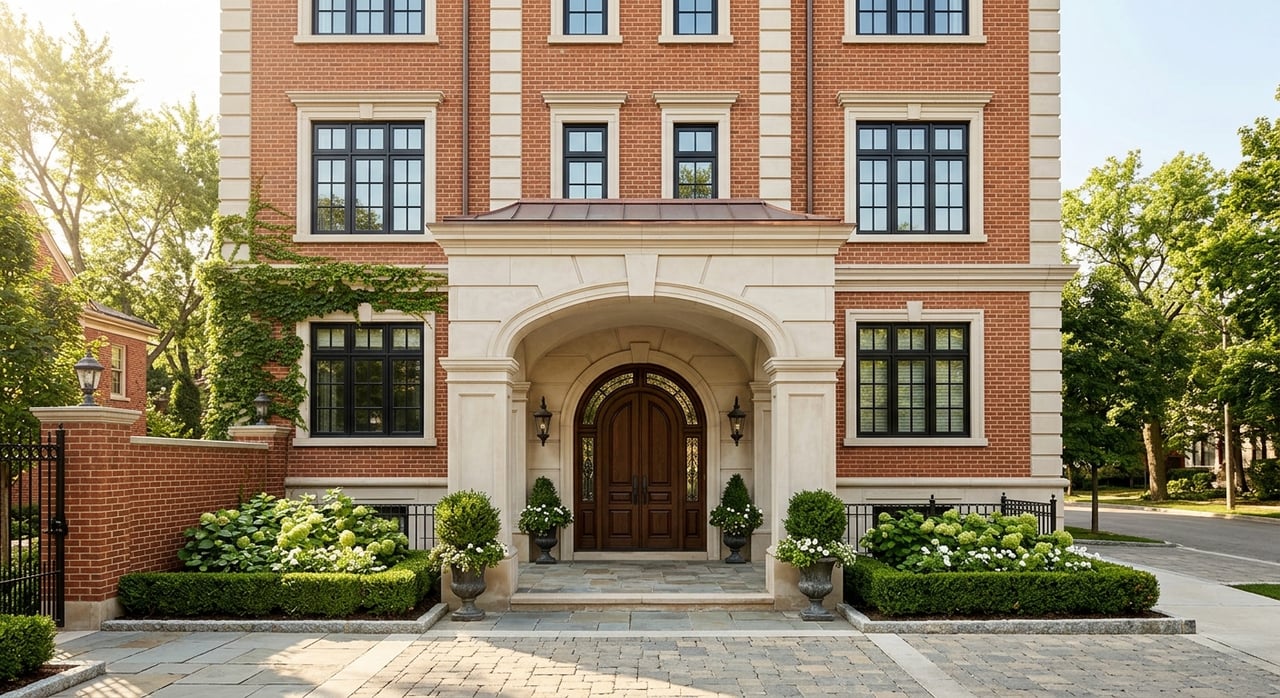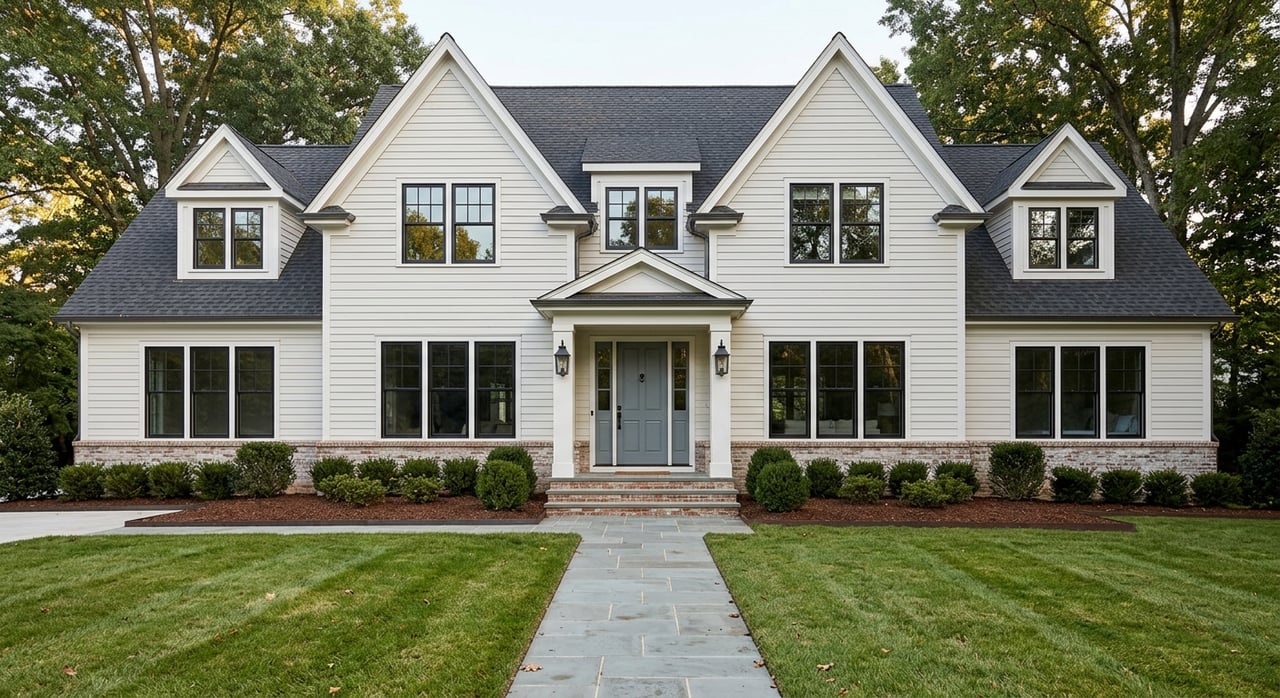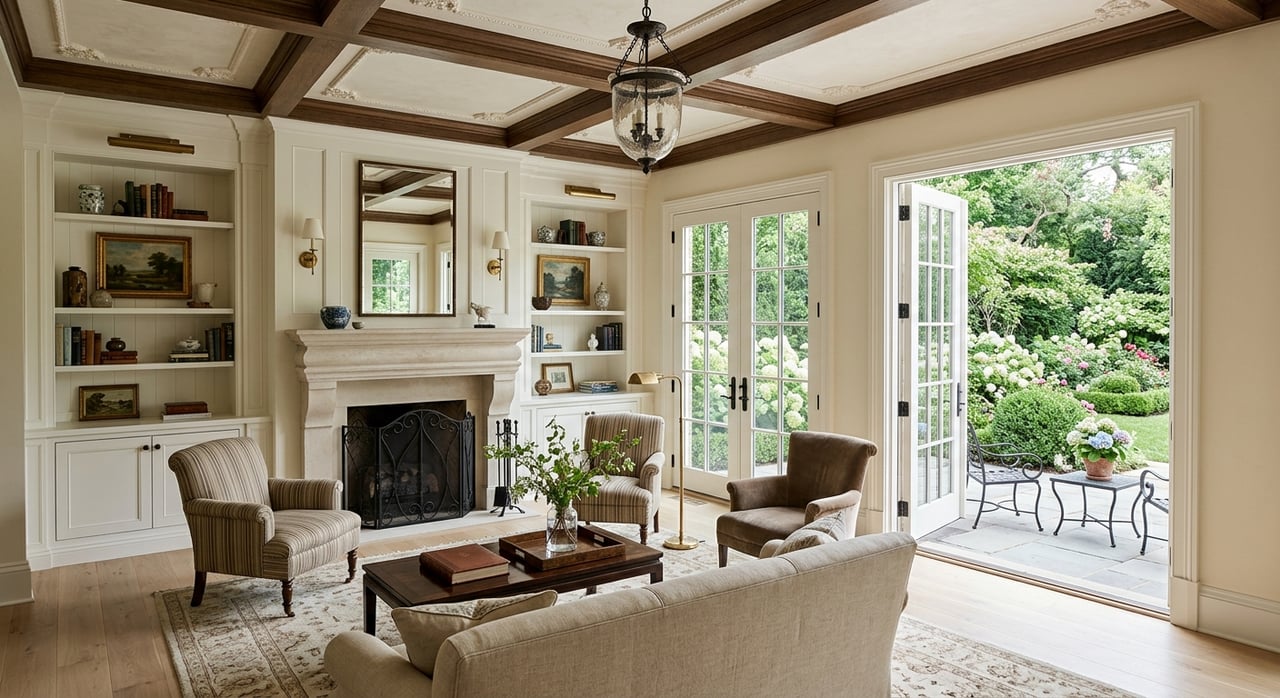
If you want to sell your Raleigh luxury home on your terms, timing matters more than many sellers expect. A polished launch can attract strong interest, but North Carolina’s selling process includes disclosure steps, due diligence, and attorney-supervised closing work that all take time. When you plan backward from your ideal move date, you can reduce stress, protect your timeline, and give your home the best chance to shine. Let’s dive in.
Start with your move date
The smartest way to plan your Raleigh luxury home sale is to work backward from when you want to move. That matters because even in an active market, homes are not selling in a single weekend across the board.
In May 2026, Raleigh homes took 34 days on market in Redfin’s snapshot. In Wake County, Redfin reported 28 days on market, while Realtor.com reported a 38-day median and a 99% sale-to-list ratio for Wake County. For most luxury sellers, that points to a multi-month plan rather than a last-minute listing.
If you have a target date for a purchase, relocation, or school-year transition, your selling calendar should account for preparation, market time, negotiations, due diligence, and closing logistics. A rushed launch can create avoidable pressure at every step.
Build in time for pre-listing prep
Before your home hits the market, there is important work to do behind the scenes. In North Carolina, sellers of most one-to-four-unit residences must provide the Residential Property and Owners' Association Disclosure Statement and the Mineral and Oil and Gas Rights Mandatory Disclosure Statement before an offer is made.
That means it is wise to identify issues before you list. Repairs, permit questions, owners’ association concerns, prior water intrusion, and other material issues are easier to manage when you are not already under contract.
A practical planning window for serious prep is 6 to 12 weeks before listing, and sometimes longer for larger homes or properties that need contractor work. For luxury sellers, this phase often includes decluttering, repairs, touch-ups, staging coordination, and visual marketing prep.
What to handle before listing
A strong pre-listing timeline often includes:
- Reviewing required seller disclosures
- Identifying repair or maintenance items
- Gathering records for improvements or permits
- Scheduling any pre-list inspection if needed
- Coordinating staging guidance
- Planning photography, video, and other marketing assets
This is where a hands-on, marketing-first approach can make a real difference. When your home is fully prepared before launch, your first days on market can work much harder for you.
Consider a pre-list inspection
A pre-list inspection is not required, but it can be a useful planning tool. The North Carolina Real Estate Commission notes that inspections, pest review, septic review, survey work, appraisal, title search, loan qualification, and repair negotiation are all common parts of due diligence once a property goes under contract.
If you uncover concerns early, you can decide how to address them on your own schedule. That is often much easier than reacting to a buyer’s inspection report while the closing clock is already running.
For luxury properties, where expectations are usually high, early issue spotting can help support smoother negotiations. It also gives you more control over contractor timing and presentation decisions.
Prioritize presentation from day one
Luxury buyers notice details, and your listing launch should reflect that. Staging and visual marketing are not extras to add later if needed. They are part of the strategy.
In the National Association of Realtors 2025 staging report, 83% of buyers’ agents said staging made it easier for buyers to visualize a home. The same report found that photos, traditional staging, videos, and virtual tours were all seen as important listing assets.
The most commonly staged rooms were the living room, primary bedroom, kitchen, and dining room. If you are deciding where to focus first, those spaces are a smart place to start.
Why early presentation matters
The first two weeks after launch are often your most important visibility window. If your photography, video, staging, and listing materials are ready before the home goes live, you can make the most of that early attention.
For upper-mid and luxury homes in Raleigh, buyers often start online. Strong visuals and polished presentation help your home stand out and support a more confident first impression.
Plan for several weeks on market
Even a well-prepared home may need several weeks to secure the right contract. Recent Raleigh and Wake County snapshots suggest a typical active market period of about four to six weeks, depending on the source and the property.
That does not mean every luxury home will follow the same pattern. Condition, pricing, location, and presentation all matter. Still, it is helpful to build your timeline around a realistic market window instead of assuming an immediate sale.
Recent sale-to-list ratios were close to 99% in Raleigh and Wake County. That signals the importance of careful pricing and strong positioning from the start.
A realistic launch window
For many sellers, a practical market plan looks like this:
- Launch fully prepared, with media and staging complete
- Expect the first two weeks to be the key exposure period
- Allow several additional weeks for showings, feedback, and negotiation
- Stay flexible if the market response suggests a pricing or presentation adjustment
The goal is not just to list quickly. The goal is to launch strategically.
Understand North Carolina due diligence
One of the biggest timing surprises for sellers moving to or from North Carolina is the due-diligence period. Once a contract becomes effective, the due-diligence period begins, and its length is negotiable.
During that time, the buyer can inspect the home, review financing and appraisal, check title, and decide whether to proceed. The buyer may terminate for any reason or no reason during due diligence.
This matters for your timeline because your home may be under contract while the buyer is still completing major steps. A signed contract is important, but it is not the same as a finished sale.
What sellers should expect during due diligence
During due diligence, buyers commonly work through:
- General home inspections
- Pest or septic evaluations, if relevant
- Appraisal and lender review
- Title work
- Repair discussions
The due-diligence fee is negotiated and paid to the seller by the effective date. If the transaction closes, that fee is credited to the buyer at closing. If the buyer terminates during due diligence, the seller generally keeps the fee.
Leave room for repair negotiations
Inspection results often lead to repair requests or credits. These requests are negotiable, but if you agree to repairs, they must be completed in a good and workmanlike manner before settlement.
Buyers also have the right to a final walk-through and may verify agreed repairs even after due diligence ends. That means repair work should be scheduled with enough time to complete it properly before closing.
For luxury sellers, this is another reason not to run your timeline too tight. Contractor delays, specialty materials, or scheduling issues can affect the path to settlement.
Expect some timeline shifts
Not every contract moves in a perfectly straight line. If inspections take longer than expected or lender timelines stretch, the due-diligence period and closing date can be extended by written agreement.
That can feel frustrating when you are trying to coordinate movers or a purchase on the other side. Still, a modest schedule adjustment is normal in many transactions.
The key is to plan with cushion from the beginning. A little extra time can make the whole process feel much more manageable.
Closing in North Carolina takes coordination
North Carolina residential closings are attorney-supervised. The process includes title work, preparation of deeds and loan documents, recordation, and disbursement after the required funds and closing conditions are satisfied.
In other words, closing is more than a quick exchange of keys and funds. It is a coordinated legal and logistical process with several moving parts.
The North Carolina Bar also explains that closing is tied to the date and time the deed is recorded. Sellers are advised not to cancel existing insurance until they confirm recordation.
Final closing checklist
As closing approaches, plan for:
- Completion of any agreed repairs
- Final walk-through coordination
- Move-out timing
- Utility and service transitions
- Confirmation of deed recordation before canceling insurance
Under the standard North Carolina contract, possession is usually delivered at closing unless the parties agree otherwise. That makes move-out planning a key part of your selling timeline.
A sample Raleigh luxury selling timeline
Every home and seller goal is different, but a practical Raleigh luxury home selling timeline often looks like this:
| Phase | Typical planning window |
|---|---|
| Early planning | Several months before move date |
| Repairs, staging, disclosures, media | 6 to 12 weeks before listing |
| Active market period | About 4 to 6 weeks |
| Due diligence and contract work | Several weeks after going under contract |
| Closing and recordation | Final stage after lender, title, and attorney work |
This is not a fixed legal deadline. It is a practical planning framework based on current market pace and North Carolina transaction steps.
Why a backward-planned strategy works
When you plan from your move date backward, you give yourself more options. You can prepare disclosures carefully, address issues before they become negotiations, and launch with the kind of presentation that luxury buyers expect.
You also create room for the North Carolina process to unfold without unnecessary panic. Due diligence, repairs, attorney coordination, and recordation all take time, even when a sale is going smoothly.
For Raleigh luxury sellers, the best outcomes often come from thoughtful preparation, strong marketing, and steady transaction management from start to finish. If you want a tailored plan for your home, Irene Higginson offers a polished, hands-on approach designed for sellers who want premium exposure and clear guidance.
FAQs
When should you start planning a Raleigh luxury home sale?
- A good rule of thumb is to start serious planning at least 6 to 12 weeks before listing, and earlier if your home needs repairs, staging, or disclosure cleanup.
How long does it take to sell a home in Raleigh or Wake County?
- Recent snapshots showed about 28 to 38 days on market across Raleigh and Wake County, depending on the source, so a several-week market period is a reasonable expectation.
What is the biggest North Carolina timing issue sellers should know?
- The due-diligence period is often the biggest surprise because the buyer can inspect, review financing and title, and terminate during that period.
Do Raleigh sellers need disclosures before accepting offers?
- North Carolina sellers of most one-to-four-unit residences must provide the required disclosure statements before an offer is made.
When do sellers give possession in a North Carolina closing?
- Under the standard North Carolina contract, possession is usually delivered at closing unless the parties agree to a different arrangement.
When should sellers cancel homeowners insurance after closing?
- Sellers should wait until they confirm the deed has been recorded before canceling existing insurance.