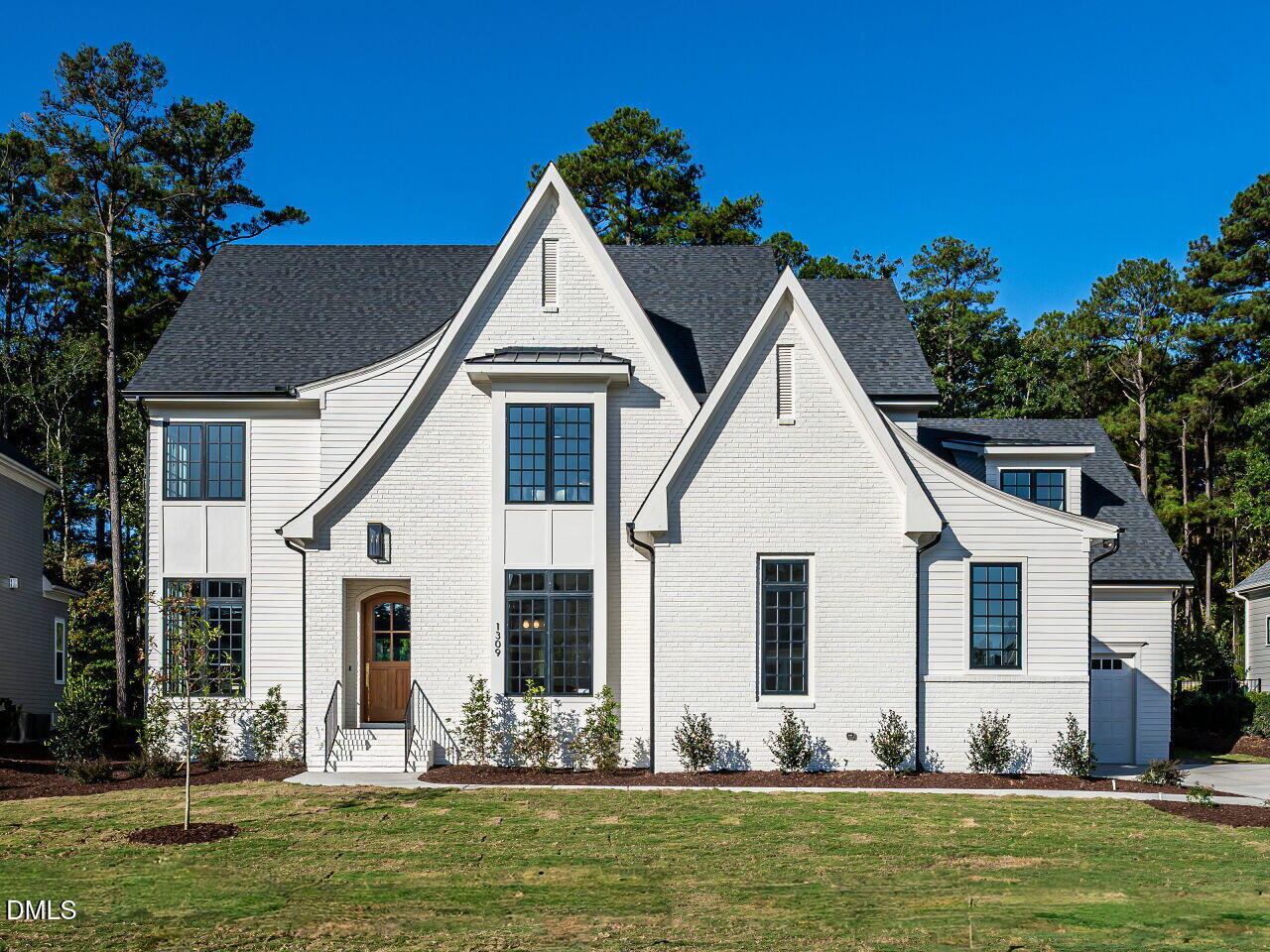
Your guide to the neighborhoods, lifestyle, and housing market of one of the Triangle's most polished communities.
Cary is a thriving Wake County town of roughly 190,000 residents, tucked between Raleigh, Research Triangle Park, and Apex. It is one of the largest towns in North Carolina and consistently lands on best-place-to-live and best-place-to-raise-a-family lists, thanks to its parks, schools, and well-planned neighborhoods.
The town blends a walkable, revitalized downtown with leafy suburban communities, golf courses, and miles of greenway. Buyers relocating from larger metros often find Cary delivers a rare mix: a strong job market, top-rated schools, safe and polished neighborhoods, and a convenient location just minutes from the airport and the region's major employers.
A powerhouse job market. Cary sits beside Research Triangle Park, one of the largest research parks in the nation, with technology, life sciences, finance, and insurance employers close at hand. SAS and Epic Games are headquartered in town, and MetLife's Global Technology Campus, Apple, John Deere, and Verizon all have a major presence in the area. Many residents also commute to Raleigh, Durham, and Morrisville in under 30 minutes.
Access to education. Cary's median household income is roughly $129,000, and about 70 percent of adults hold a bachelor's degree or higher, according to U.S. Census figures cited by the town's economic development office. NC State, Duke, UNC-Chapel Hill, and Wake Tech are all within a short drive, which keeps the local talent pool and the community's academic energy strong.
Four mild seasons. Spring brings blooming dogwoods and azaleas, summers are warm, fall foliage is a highlight, and winters are typically short. Snow is occasional rather than routine, so parks and greenways stay usable almost year-round.
Location. Raleigh-Durham International Airport (RDU) is roughly 15 minutes away, downtown Raleigh is about 20 minutes, and both the Blue Ridge Mountains and the Outer Banks are a few hours' drive in opposite directions.
The revitalized town center is home to Downtown Cary Park, the Cary Arts Center, the Page-Walker Arts & History Center, and a growing mix of restaurants, breweries, and shops along Chatham Street. Nearby you'll find historic homes, cottages, and new townhomes within walking distance of the park and the Cary Depot. It suits buyers who want to stroll to dinner and community events.
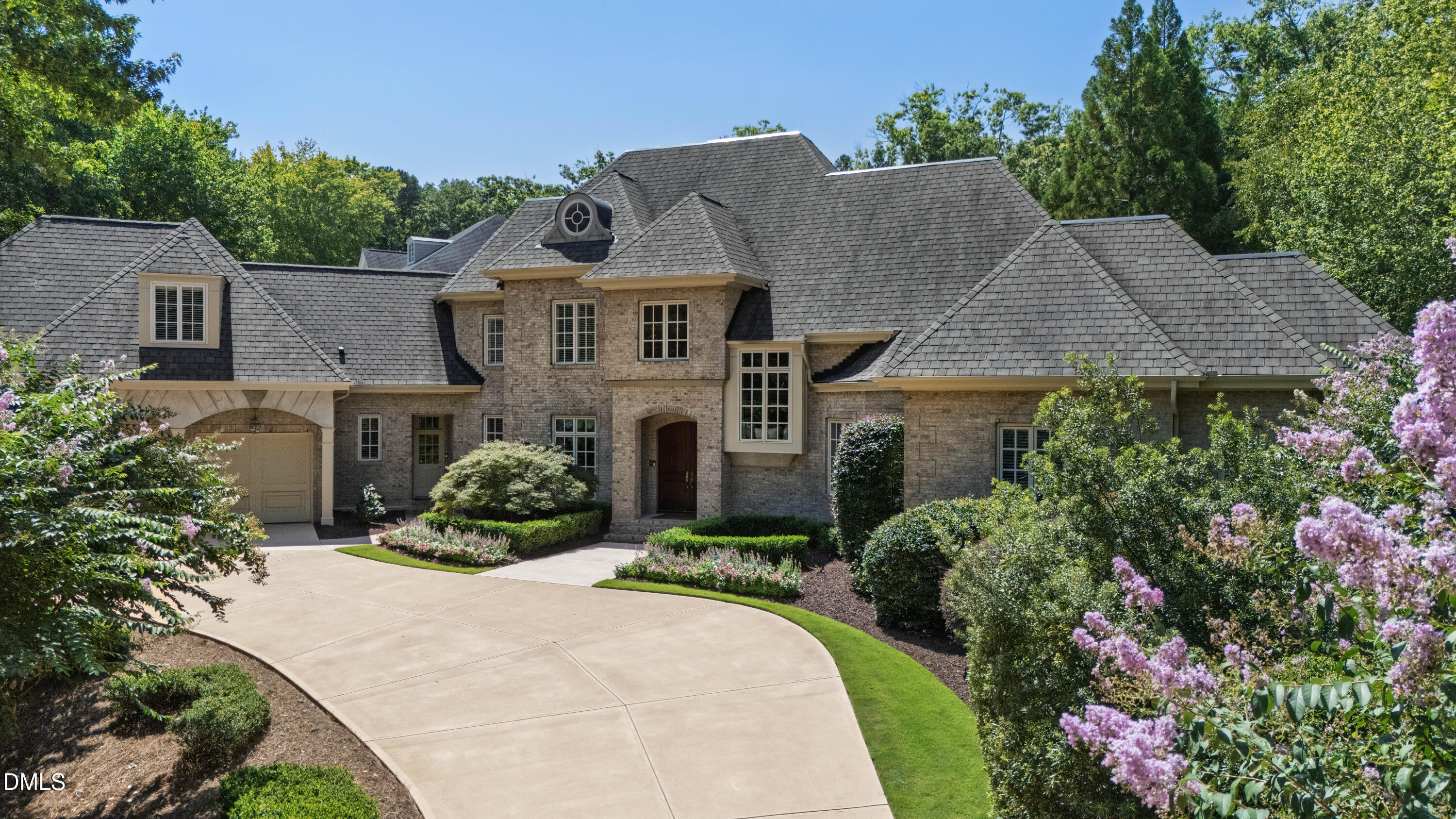
A well-established west Cary community built around golf and tree-lined streets, Preston offers sizable homes, mature landscaping, and a clubhouse-and-pool lifestyle. It is popular with move-up buyers and families who want space, amenities, and access to highly regarded schools.
One of Cary's most sought-after areas, Carpenter is known for its village-style shopping and dining, neighborhood pools, and a mix of single-family homes and townhomes. Proximity to RTP, RDU, and Umstead State Park makes it a favorite among commuters and outdoor lovers.
Large master-planned communities with sidewalks, parks, pools, and neighborhood amenities. Cary Park draws families with newer homes and community events, while Regency Park offers a convenient mix of housing, retail, and greenway access.
Golf-course living and lake-centered neighborhoods characterize this pocket of central Cary, with walking trails, tennis, and a social, close-knit feel. Buyers often find a wide range of home styles and sizes, from established single-family homes to townhomes.
A convenient, centrally located area anchored by Kildaire Farm Road and the Waverly Place shopping district. It offers everyday shopping and dining, a range of established neighborhoods, and quick access to US-1 and I-40.
Many Cary buyers also tour Apex, Morrisville, Holly Springs, Fuquay-Varina, and Raleigh. Apex and Holly Springs are known for historic downtowns, parks, and newer planned communities, while Morrisville offers close proximity to RTP and RDU and a diverse, international community.
Parks and outdoors. The town maintains more than 31 public parks and 82 miles of trails, with a broader greenway network that the town's economic development office puts at nearly 100 miles. Downtown Cary Park, which opened in late 2023, is the new community living room, with a lawn, play areas, and event space. Bond Park offers a lake, boardwalks, and a community center, while the American Tobacco Trail and William B. Umstead State Park provide longer runs, rides, and hikes close to home.
Arts and culture. The Cary Arts Center and the Page-Walker Arts & History Center anchor the local arts scene, with classes, exhibits, and performances. Koka Booth Amphitheatre, a roughly 7,000-seat lakeside venue, hosts more than 60 events a year, including concerts, the NC Symphony Summerfest series, and Fourth of July festivities. Its NC Chinese Lantern Festival drew more than 230,000 visitors in 2024.
Sports and events. The USA Baseball National Training Complex at Thomas Brooks Park brings elite youth and national-team play to town, and WakeMed Soccer Park, Cary Tennis Park, and the Triangle Aquatic Center host tournaments and community leagues year-round. The Lazy Daze Arts & Crafts Festival, the Heart of the Holidays celebration, and the SAS Championship golf tournament are local favorites.
Cary's dining scene is relaxed, family-friendly, and increasingly ambitious. Downtown Cary has added breweries, cafes, and chef-driven restaurants around Chatham Street and Downtown Cary Park, while village-style centers like Waverly Place, Carpenter Village, and the Fenton development offer reliable options for every night of the week. The area's international population adds standout Asian and Indian restaurants, particularly along the Cary-Morrisville border, and weekend farmers' markets keep local produce on the table.
For a bigger night out, Raleigh's Glenwood South, the Warehouse District, and Durham's food scene are each about 20 to 30 minutes away.
Most of Cary is served by the Wake County Public School System, the largest district in North Carolina, which offers magnet and year-round options alongside traditional calendars. Cary is home to well-regarded public high schools including Cary High, Green Hope, and Panther Creek, and the area also has strong charter and private options such as Cary Academy. Because school assignments vary by address and change over time, buyers should verify assignments directly with the district before making decisions. Higher education is close by, with Wake Tech Community College in the area and NC State, Duke, and UNC-Chapel Hill all within a short drive.
Cary is largely car-oriented, though downtown and several village centers are walkable. US-1, I-40, I-540, and NC-55 connect residents to Raleigh, RTP, Apex, and the airport, and rush hour on I-40 and US-1 can be heavy. GoCary provides local bus service, GoTriangle links the town to regional destinations, and Amtrak serves the historic Cary Depot downtown. A strong greenway and trail network makes biking and walking practical for recreation and many short trips.
Cary's median sale price sat near 600,000inSeptember2026,wellabovetheRaleighmetroaverage,reflectingthetown'sschools,amenities,andpolishedneighborhoods.Inventoryremainsrelativelytight,atroughly2.4monthsofsupplyaccordingtoonelocalbrokerageanalysis,whichisbelowthefour-monthleveltypicallyconsideredbalanced.Pricingvariesbyarea:establishedwestCaryandgolfcommunitiescommandpremiums,whiletownhomesandoldersingle-familyhomesoffermoreaccessibleentrypoints.PropertytaxeswithinCarytownlimitscombinetoabout0.84%ofassessedvalue(0.325 town plus $0.5135 Wake County, per $100), and North Carolina has a flat state income tax.
Metric | Approximate figure |
|---|---|
Median sale price (Sept. 2026) | About $599,900 |
Typical time on market (Sept. 2026) | About 50 days |
Months of supply (Oct. 2026) | About 2.4 months |
Combined property tax rate | About $0.84 per $100 of assessed value |
Housing mix | Golf-course communities, master-planned neighborhoods, townhomes, historic downtown cottages, luxury estates |
Market figures are approximate, drawn from published third-party sources (Movoto, The Coley Group, and the Cary economic development brochure), and change frequently. Sources disagree on median price and days on market depending on methodology, so update with current MLS data before publishing.
Cary tends to be a great fit if you want strong schools, a polished and safe feel, abundant parks and greenways, and a short drive to major employers and the airport. Whether you picture a golf-course home in Preston, a village-style neighborhood in Carpenter, or a townhome steps from Downtown Cary Park, there is a corner of town to match.
Ready to explore Cary homes? Contact us to start your search, tour neighborhoods, and get a clear picture of what your budget can buy.
179,306 people live in Cary, where the median age is 40.2 and the average individual income is $67,409. Data provided by the U.S. Census Bureau.
Total Population
Median Age
Population Density Population Density This is the number of people per square mile in a neighborhood.
Average individual Income
There's plenty to do around Cary, including shopping, dining, nightlife, parks, and more. Data provided by Walk Score and Yelp.
Explore popular things to do in the area, including Great Harvest Bread, Valero, and The Fresh Market.
| Name | Category | Distance | Reviews |
Ratings by
Yelp
|
|---|---|---|---|---|
| Dining · $ | 0.65 miles | 109 reviews | 4.7/5 stars | |
| Dining · $$ | 1 miles | 1 review | 1/5 stars | |
| Dining · $$$ | 1.01 miles | 78 reviews | 3/5 stars | |
| Dining | 1.06 miles | 2 reviews | 4/5 stars | |
| Dining | 1.12 miles | 0 reviews | 0/5 stars | |
| Dining | 1.16 miles | 2 reviews | 3/5 stars | |
| Shopping | 0.46 miles | 0 reviews | 0/5 stars | |
| Shopping | 0.55 miles | 0 reviews | 0/5 stars | |
| Shopping | 1.4 miles | 0 reviews | 0/5 stars | |
| Active | 0.33 miles | 0 reviews | 0/5 stars | |
| Active | 0.67 miles | 9 reviews | 3.7/5 stars | |
| Active | 1.13 miles | 12 reviews | 5/5 stars | |
| Active | 1.25 miles | 2 reviews | 5/5 stars | |
| Active | 1.27 miles | 10 reviews | 5/5 stars | |
| Active | 1.28 miles | 0 reviews | 0/5 stars | |
| Active | 1.41 miles | 0 reviews | 0/5 stars | |
| Active | 1.45 miles | 0 reviews | 0/5 stars | |
| Beauty | 0.47 miles | 0 reviews | 0/5 stars | |
| Beauty | 0.47 miles | 0 reviews | 0/5 stars | |
| Beauty | 0.48 miles | 1 review | 2/5 stars | |
| Beauty | 0.55 miles | 62 reviews | 4.6/5 stars | |
| Beauty | 0.66 miles | 25 reviews | 3.8/5 stars | |
| Beauty | 1.39 miles | 0 reviews | 0/5 stars | |
| Beauty | 1.39 miles | 0 reviews | 0/5 stars | |
|
|
||||
|
|
||||
|
|
||||
|
|
||||
|
|
||||
|
|
Cary has 69,710 households, with an average household size of 2.57. Data provided by the U.S. Census Bureau. Here’s what the people living in Cary do for work — and how long it takes them to get there. Data provided by the U.S. Census Bureau. 179,306 people call Cary home. The population density is 2,982 and the largest age group is Data provided by the U.S. Census Bureau.
Total Population
Population Density Population Density This is the number of people per square mile in a neighborhood.
Median Age
Men vs Women
Population by Age Group
0-9 Years
10-17 Years
18-24 Years
25-64 Years
65-74 Years
75+ Years
Education Level
Total Households
Average Household Size
Average individual Income
Households with Children
With Children:
Without Children:
Marital Status
Blue vs White Collar Workers
Blue Collar:
White Collar: