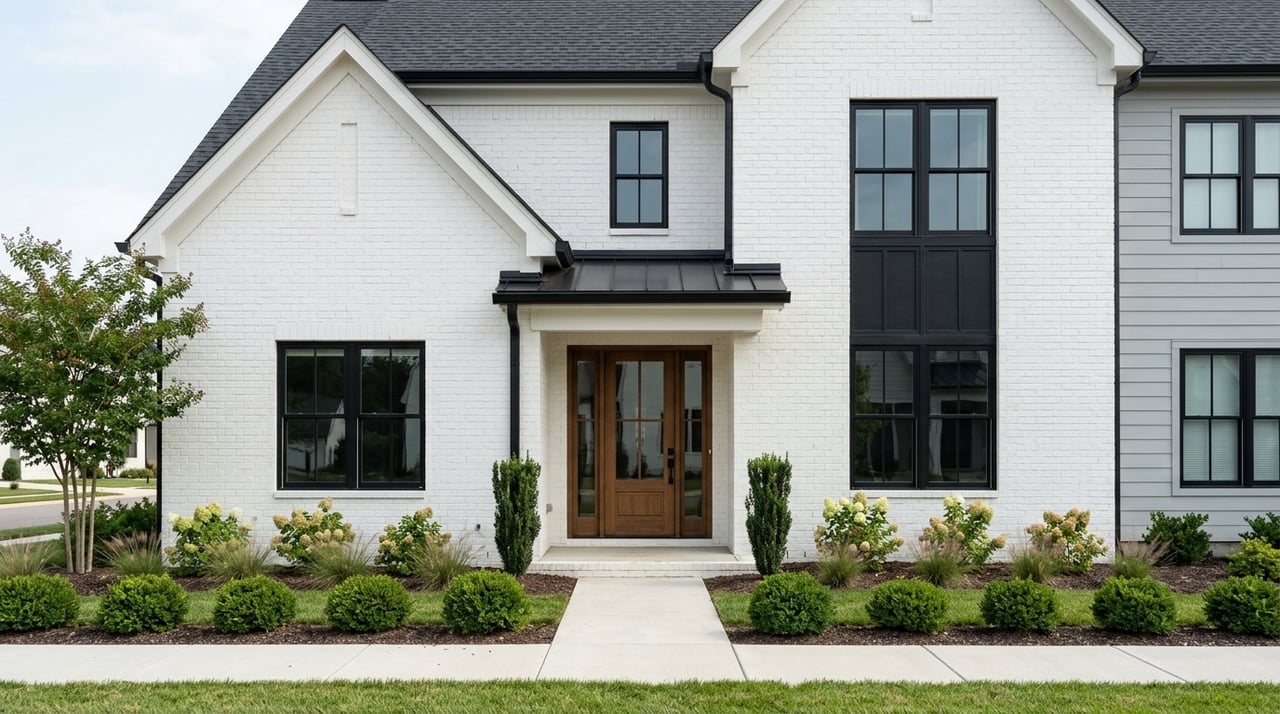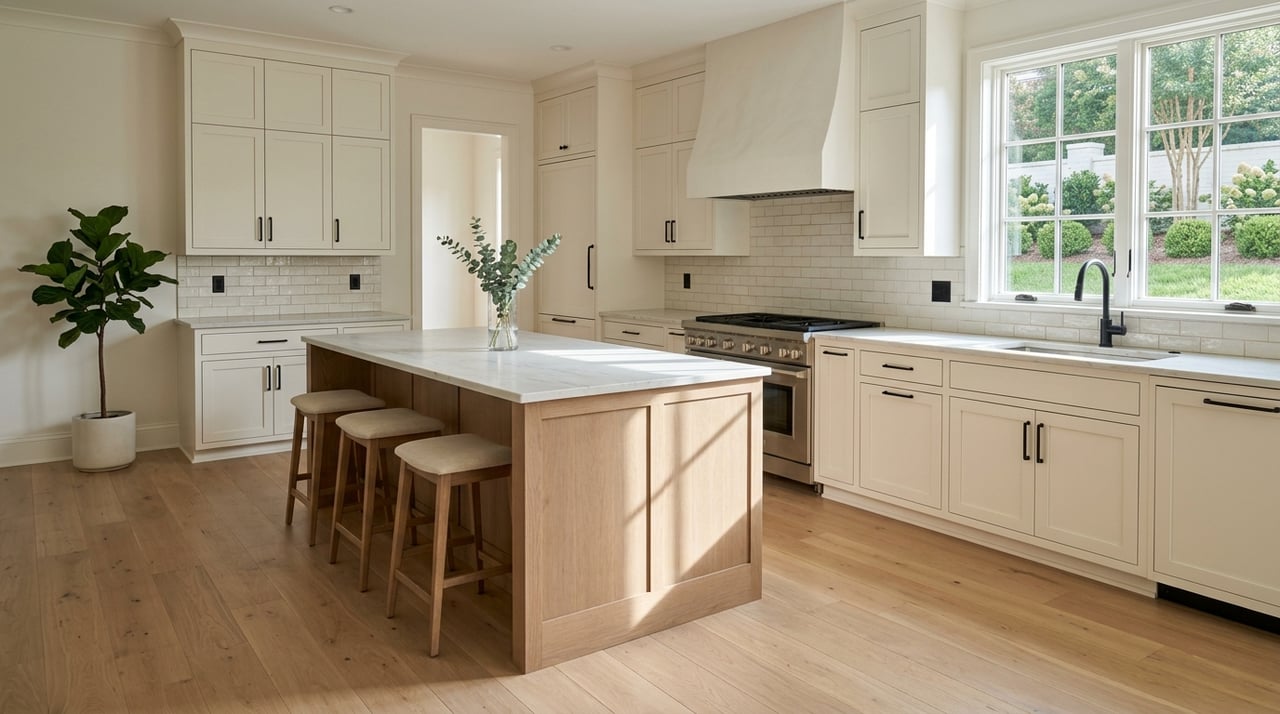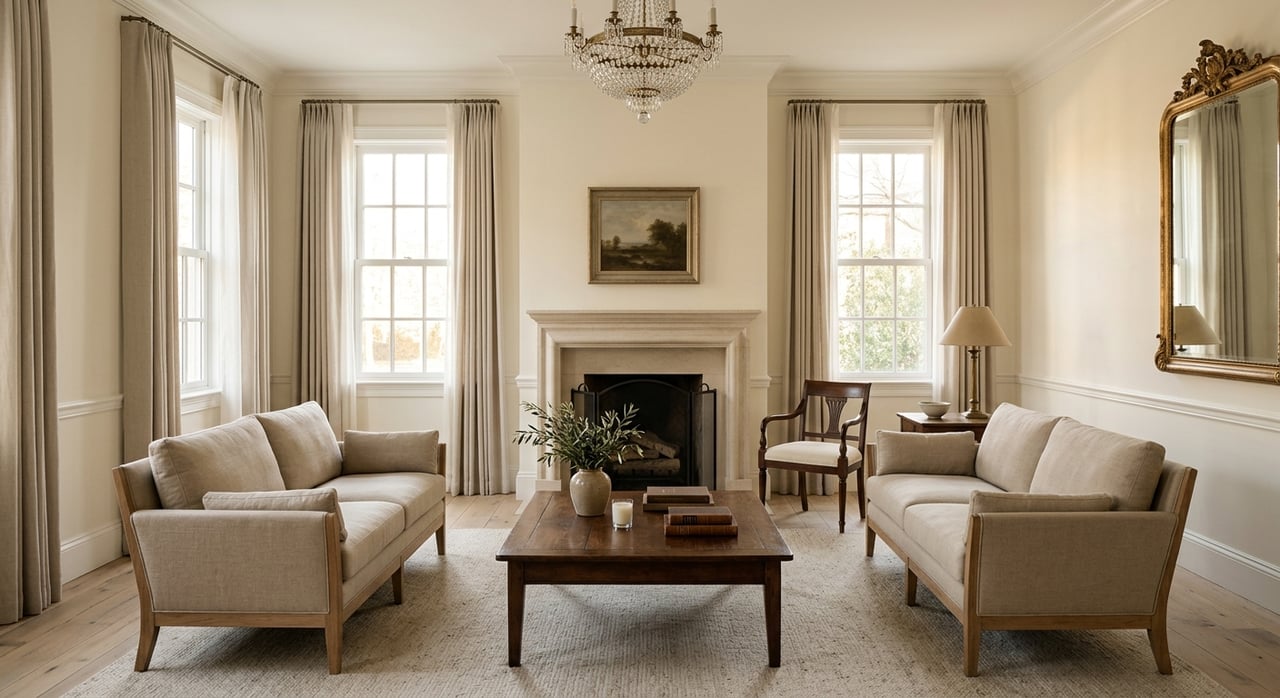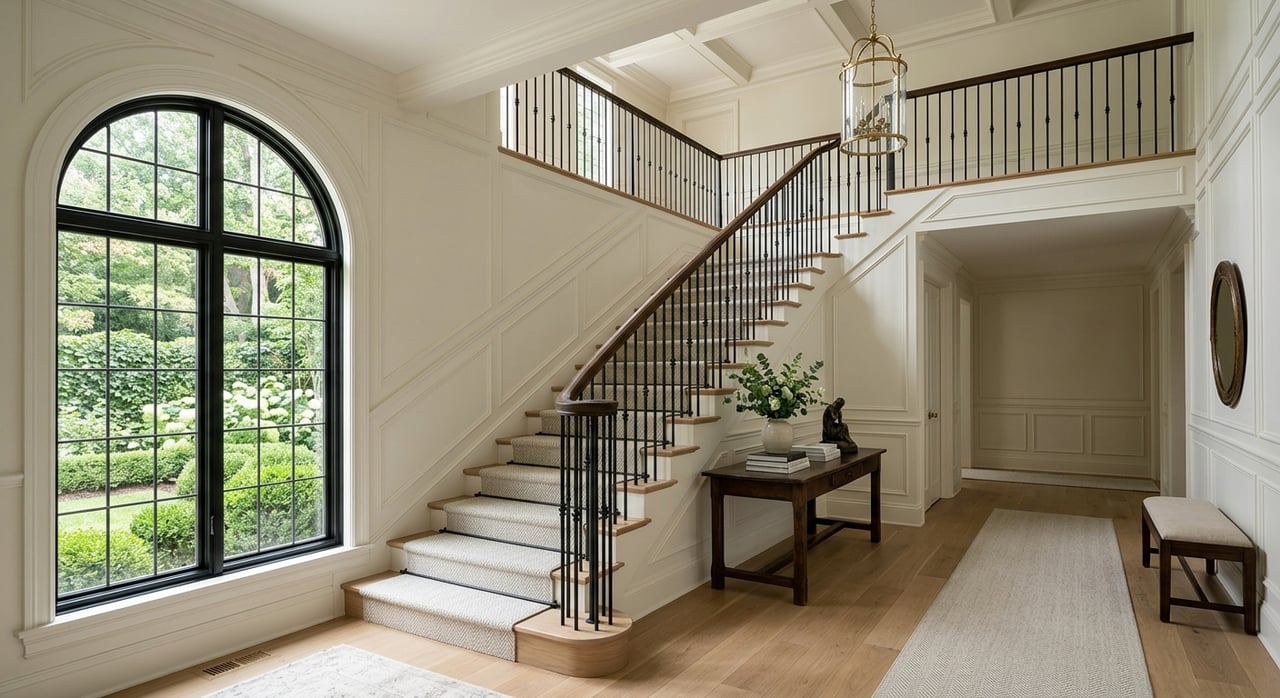
If you’re looking at high-end homes in Wake Forest, one question matters right away: what actually counts as luxury here? In this market, the answer is more nuanced than a single price point. Wake Forest’s upper-end homes span several tiers, and understanding those layers can help you buy or sell with more confidence. Let’s dive in.
What Luxury Means in Wake Forest
Wake Forest is not a one-price luxury market. As of April 2026, the townwide median listing price is $525,000, with a median sold price of $454,000, 759 homes for sale, and a median of 39 days on market. Realtor.com also classifies Wake Forest as a seller’s market.
That bigger picture matters because local luxury starts above the town median, but it does not begin at the same level in every neighborhood. A practical way to read the market today is to think of upper-mid homes as roughly $600,000 to $800,000, while true luxury is more often around $1 million and up. That is not an official rule, but it is consistent with current neighborhood pricing in Wake Forest.
For example, current neighborhood medians show Heritage around $642,450, Stonegate at St. Andrews around $549,900, and Hasentree at $1,337,500. Those numbers show just how wide the spread can be within the same town. If you are buying or selling at the top of the market, neighborhood context matters as much as the list price.
Why Wake Forest Luxury Feels Different
Part of Wake Forest’s appeal is that its premium housing market is tied to both home features and community growth. The Town of Wake Forest describes itself as a community that has grown from a small rural town into a bustling suburban area, with formal planning that guides growth, transportation, and quality of life.
For you, that means luxury value here is often connected to the full setting around a home. Buyers are not only paying for square footage. They are also weighing privacy, neighborhood character, lot size, amenity access, and how a home fits into the town’s long-term growth pattern.
Inventory Is Up, But Pricing Is Holding
One of the most useful things to know about the Wake Forest market right now is that inventory has grown faster than prices. Compared with a year earlier, active listings are up 21.75%, while the median listing price is up 3.74% and the median sold price is up 2.02%. At the same time, price per square foot is down 2.73%.
That combination suggests a market with more choices for buyers, but not a market where sellers have lost all leverage. Homes are still generally selling close to asking, with a 99% sale-to-list ratio reported for both Wake Forest and Wake County. In simple terms, buyers may have more room to compare options, but strong homes still need to be taken seriously.
How Fast Luxury Homes Are Moving
Wake Forest’s market is active, but it is not moving at the same pace in every segment. Realtor.com reports a median of 39 days on market for the town overall, while Redfin describes Wake Forest as somewhat competitive, with average homes going pending in about 53 days and hot homes in around 11 days.
The takeaway is not that one number is right and the other is wrong. It is that both point to a market that is functioning normally rather than racing ahead at an extreme speed. For buyers and sellers in the luxury segment, that usually means strategy matters more than hype.
Neighborhood Differences Matter More at the Top
In luxury real estate, town averages only tell part of the story. Wake Forest’s upper-end inventory is highly segmented, and the differences between neighborhoods are significant.
Hasentree currently shows 20 homes for sale and a median of 25 days on market. Heritage shows 53 homes for sale and a median of 26 days on market. Stonegate at St. Andrews has 17 homes for sale, but a much slower 134-day median days on market.
Those numbers make one thing clear: higher price does not always mean slower, and a premium address does not guarantee the same buyer response in every area. Pricing, presentation, location within the neighborhood, and the amenity package all play a role.
Features Buyers Notice in Wake Forest Luxury Homes
In Wake Forest, luxury often shows up through lifestyle features rather than just size. Current high-end listing examples include homes with large lots, main-floor primary suites, screened porches, chef’s kitchens, wooded borders, whole-house generators, water filtration systems, and pool-ready outdoor space.
These examples are from active listings, not a full market survey, but they point to common patterns. Buyers at the upper end of the market tend to respond to homes that offer privacy, flexibility, outdoor living, and thoughtful upgrades. A home that feels complete and easy to enjoy often stands out more than one that is simply large.
Land and Privacy Still Carry Weight
One of the strongest value signals in Wake Forest’s premium market is land. Larger lots, generous setbacks, and wooded surroundings continue to attract attention because they are harder to replicate as the town grows.
If you are selling, this means your lot and setting should be part of the marketing story. If you are buying, it means the value of privacy and usable outdoor space should be weighed alongside interior finishes.
Outdoor Living Adds Real Appeal
Screened porches, pool-ready yards, and outdoor entertaining space are especially relevant in this market. These features support the lifestyle many buyers are seeking when they move to Wake Forest.
At the luxury level, outdoor spaces are often viewed as an extension of the home. A property that offers both indoor comfort and outdoor usability can create a stronger impression than square footage alone.
Upgrades and Newer Construction Stand Out
Luxury buyers in Wake Forest are not limited to one construction era. The market includes both established premium neighborhoods and newer high-end homes, which means value can come from different places.
In some homes, the draw may be newer systems and modern energy features. In others, it may be a mature setting, established lot, or quality construction in a well-known neighborhood. The key is how well the home’s features match its price and position in the market.
Hasentree Shows the Lifestyle Side of Luxury
If one community best illustrates the lifestyle side of Wake Forest luxury, it is Hasentree. Official community materials highlight golf, dining, fitness, and family-oriented amenities, while development materials describe it as an 805-acre country club and golf community with a Tom Fazio course and a 13,000-square-foot Family Activity Club.
That kind of amenity package helps explain why Hasentree’s median listing price sits far above much of the rest of town. For buyers, it shows how community features can support premium pricing. For sellers, it shows why lifestyle positioning is often central to marketing a luxury home in Wake Forest.
How Wake Forest Compares to Other Wake County Markets
Wake Forest sits above the Wake County median on asking price, but below Cary and Apex. As of April 2026, median listing prices are $525,000 in Wake Forest, $479,500 in Wake County, $450,000 in Raleigh, and $599,000 in both Cary and Apex.
On the sold side, Wake Forest’s median sold price is $454,000, which is very close to Wake County’s $454,500. That number still sits below Cary at $576,000 and Apex at $600,000.
For you, this means Wake Forest offers a meaningful upper-end market without feeling as uniformly expensive as some other Wake County locations. It can appeal to buyers who want suburban luxury with more neighborhood-by-neighborhood variation. It can also be attractive to sellers whose homes offer standout features that deserve careful positioning.
What Buyers Should Watch in This Market
If you are shopping for a luxury home in Wake Forest, it helps to look beyond broad labels. Not every home priced above the median offers the same value, and not every desirable property is in the same price band.
Focus on these factors as you compare homes:
- Lot size and privacy
- Outdoor living features
- Amenity access
- Construction age and upgrades
- Neighborhood pricing patterns
- Days on market for similar homes
A home in a faster-moving area like Hasentree or Heritage may require a different approach than a home in a slower-moving pocket. Looking closely at neighborhood-level trends can help you make a more informed decision.
What Sellers Should Know About Pricing and Presentation
If you are preparing to sell a luxury or upper-mid home in Wake Forest, pricing strategy is critical. The data shows that some premium neighborhoods are moving quickly, while others are taking much longer.
That means overpricing can cost you time, especially in a market where buyers have more choices than they did a year ago. A polished presentation and a smart launch matter, but they work best when paired with pricing that reflects the reality of your specific neighborhood and competition.
For many Wake Forest sellers, the strongest marketing angle is not just the home itself. It is the combination of lot, lifestyle, privacy, upgrades, and neighborhood context. A tailored approach can make those value drivers much clearer to the right buyer.
Why a Local, Data-Driven Approach Matters
Because Wake Forest’s luxury market is tiered, local knowledge makes a real difference. The gap between neighborhoods, the variety in home styles, and the differences in buyer response all point to the same conclusion: averages are helpful, but they are not enough on their own.
Whether you are buying, relocating, or preparing to sell, you need a strategy built around your price point, neighborhood, and goals. That is especially true in a market where more inventory has created more choice, but well-positioned homes are still selling close to asking.
If you are thinking about buying or selling in Wake Forest’s upper-mid or luxury market, working with a brokerage that understands pricing, presentation, and neighborhood-level trends can help you move with confidence. To start the conversation, connect with Irene Higginson.
FAQs
Where does luxury pricing start in Wake Forest?
- A practical local reading of the market suggests upper-mid homes begin around $600,000 to $800,000, while true luxury is more often around $1 million and up, based on current neighborhood medians.
Are luxury homes in Wake Forest mostly new construction?
- No. Wake Forest’s upper-end market includes both established premium neighborhoods and newer high-end homes.
What features drive luxury home value in Wake Forest?
- The strongest visible value drivers are lot size, privacy, outdoor living space, club amenities, upgrades, newer or improved construction, and neighborhood reputation.
Do all higher-priced Wake Forest homes sell quickly?
- No. Some areas, such as Hasentree and Heritage, are moving relatively quickly, while others, such as Stonegate at St. Andrews, are taking much longer.
How does Wake Forest compare with Cary and Apex for luxury buyers?
- Wake Forest offers a strong upper-end market, but it is generally less uniformly expensive than Cary or Apex and often shows more neighborhood-by-neighborhood variation.
Is Wake Forest still a seller’s market for luxury homes?
- Townwide data classifies Wake Forest as a seller’s market, but buyer demand and timing can vary quite a bit by neighborhood, pricing strategy, and home features.