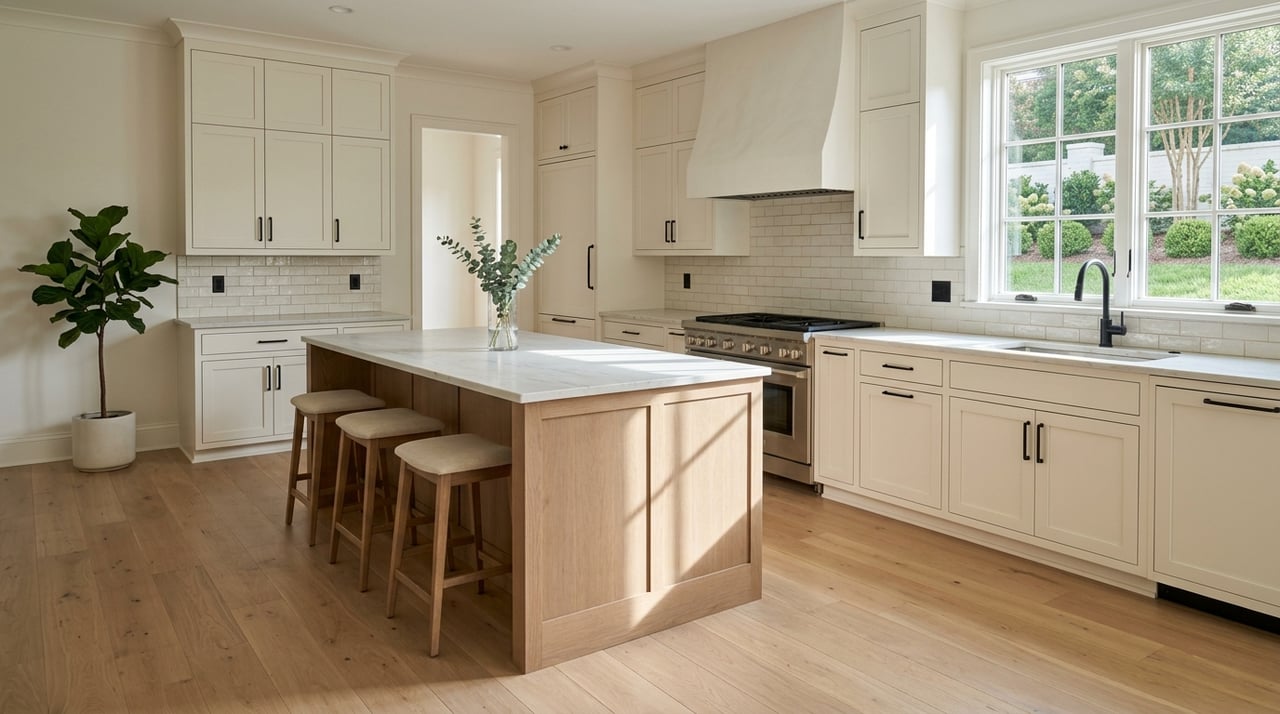
If you are getting ready to sell a luxury home in Raleigh, it helps to know one thing up front: this market is active, but the luxury segment plays by its own rules. While Raleigh and Wake County continue to move at a healthy pace, higher-end homes often take longer to find the right buyer. That means thoughtful preparation can make a real difference in how your home shows, how it photographs, and how confidently buyers respond. Let’s dive in.
Raleigh luxury timing is different
In March 2026, Redfin reported a median sale price of $420,000 in Raleigh, with homes spending 43 days on market. Realtor.com reported 37 days on market in Wake County and a 99% sale-to-list ratio. In the Raleigh-Cary luxury segment, though, the top 10% of listings started at $1,055,640, and the median days on market was 84.
That gap matters if you are preparing a luxury home for sale. You should not assume your property will follow the same pace as the broader market. Instead, your prep plan should focus on helping the right buyer see the value quickly and clearly.
Focus on presentation over reinvention
Raleigh-Cary luxury inventory tends to be newer and larger. Realtor.com found that nearly half of luxury listings were built in the 2020s, about two-thirds were built within the last 15 years, and homes priced from $1 million to $2 million had a median size of 3,853 square feet.
In practical terms, many luxury sellers do not need a full remodel before listing. The better strategy is often to refine what is already there. Clean lines, quality finishes, and visual clarity usually do more for buyer confidence than a rushed, highly personalized renovation.
Start with visible repairs
Before you think about staging or photography, handle the issues buyers notice right away. Chipped paint, worn flooring, dated light fixtures, tired hardware, and exterior damage can distract from the overall quality of your home. In a luxury price point, buyers tend to notice those details quickly.
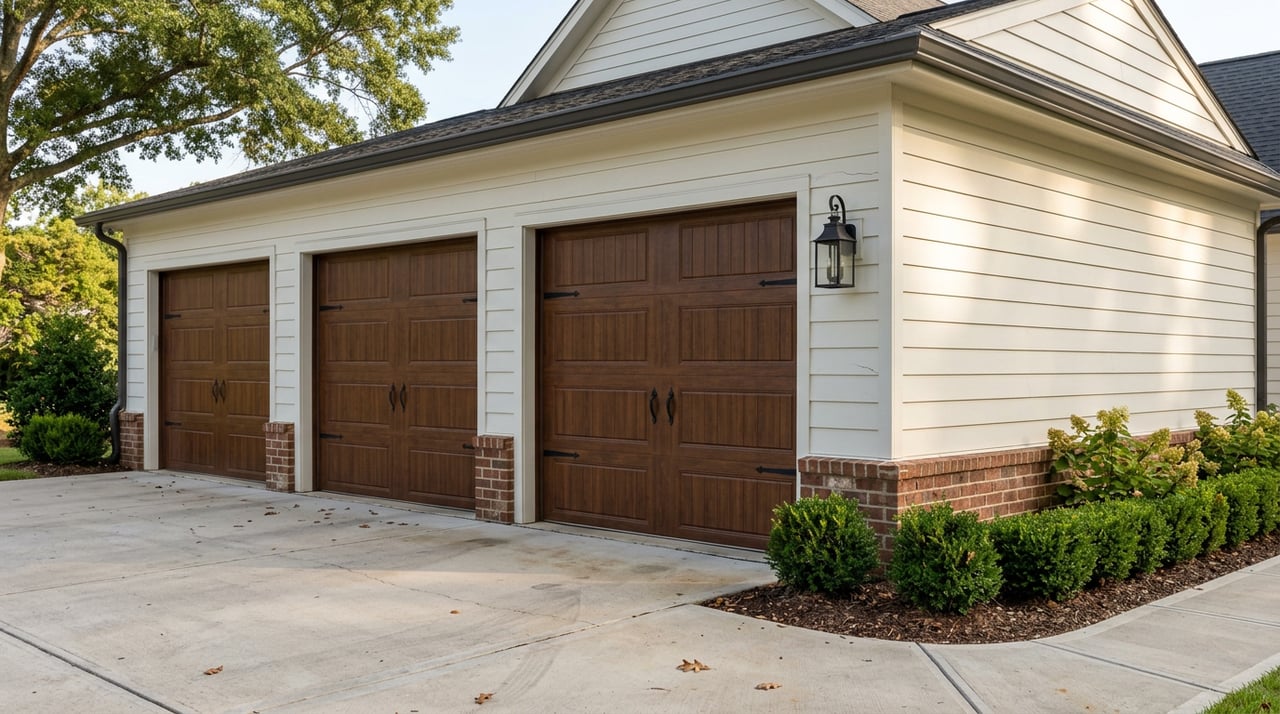
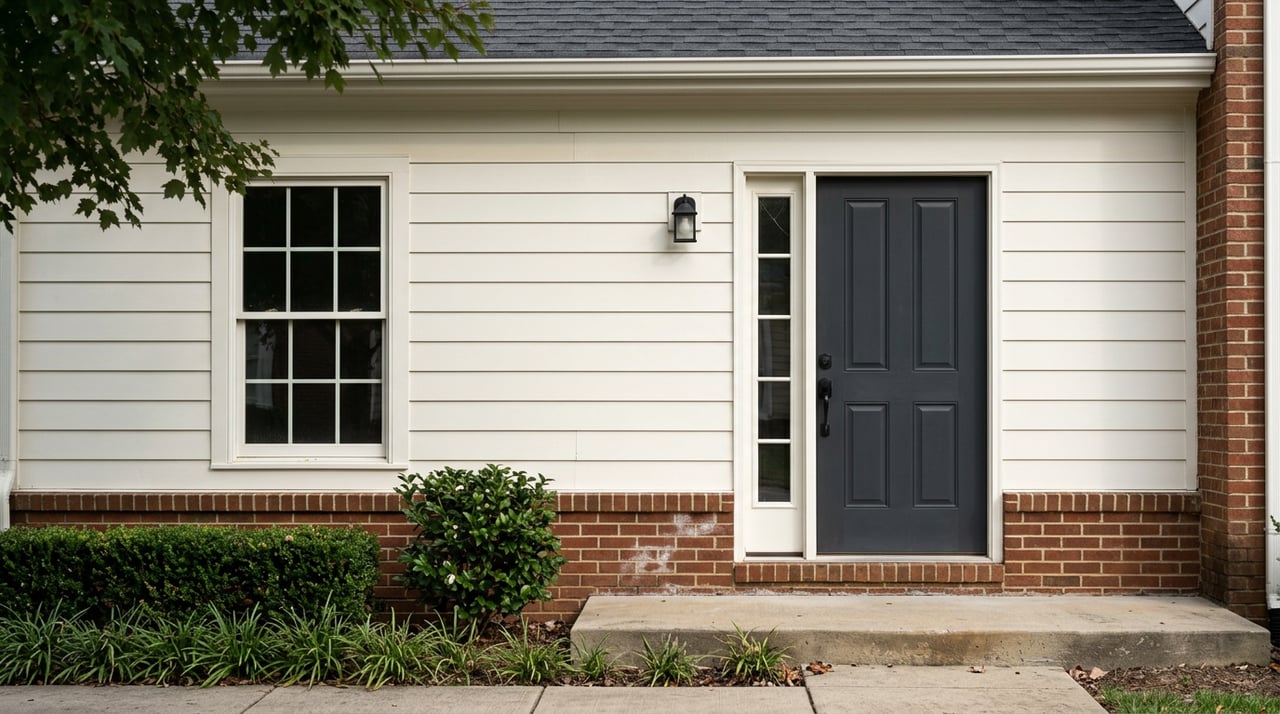
NAR’s 2025 Remodeling Impact Report found that the projects most often recommended before selling include painting the entire home, painting one room, and new roofing. The same report also highlighted garage-door replacement and steel entry-door replacement as standout projects for cost recovery, with a new steel door reaching 100% cost recovery in the report.
That does not mean you should replace every surface or system. It means you should prioritize improvements that create a cleaner first impression and broader appeal.
Smart pre-list updates to consider
- Fresh interior paint in neutral tones
- Touch-up painting for trim, doors, and worn areas
- Roofing repairs or replacement if condition is obvious
- Garage-door updates if curb appeal feels dated
- Entry-door improvement if the front approach lacks impact
- Replacement of worn or outdated hardware and lighting
- Flooring repair or replacement where wear is visible
- Exterior fixes for siding, trim, or other noticeable damage
Check Raleigh permit rules before work begins
If you plan to do more than cosmetic touch-ups, verify whether permits are required before starting. According to the City of Raleigh, permits are required for common pre-list projects such as moving walls, room renovations, roofing, siding, windows, doors, electrical service upgrades, added circuits or outlets, HVAC replacement, and water heater replacement.
If your home is in a historic overlay district or is a Raleigh Historic Landmark, exterior changes require a Certificate of Appropriateness before work begins. This step can affect your project timeline, so it is wise to confirm requirements early rather than risk delays right before listing.
Stage for space, light, and flow
Luxury staging should help buyers understand the home, not overwhelm it. NAR defines staging as cleaning, decluttering, repairing, depersonalizing, and updating a home so buyers can picture themselves living there. When time or budget is limited, bedrooms, living rooms, and bonus spaces tend to have the biggest impact.
That guidance fits Raleigh’s larger luxury homes especially well. Buyers need to see scale, layout, and finish quality. If rooms feel crowded, overly personalized, or unclear in purpose, the home can feel less polished than it really is.
What luxury staging should accomplish
- Maximize natural light
- Clarify how each room functions
- Create easy visual flow from one space to the next
- Reduce personal items and extra décor
- Highlight storage where possible
- Keep furnishings proportional to the room size
- Let architectural details and finishes stand out
NAR’s 2025 Profile of Home Staging found that 83% of buyers’ agents said staging made it easier for buyers to visualize a property as a future home. Seventeen percent said staging increased the dollar value offered by 1% to 5%, while 41% said it had no impact on value. Even with that mix, staging clearly supports buyer understanding, which is especially important in a luxury home with multiple living areas and larger square footage.
Prioritize the rooms that shape first impressions
If you do not want to stage every room, be selective. Focus first on the spaces that carry the emotional and visual weight of the showing. For most Raleigh luxury homes, that means the main living area, primary bedroom, kitchen-adjacent gathering spaces, and any bonus rooms that need definition.
A bonus room without a clear setup can leave buyers guessing. The same is true for a large secondary living area or flex space. Thoughtful staging gives those spaces purpose and helps the home feel easier to understand both in person and online.
Online presentation matters as much as in-person showings
A luxury listing often wins or loses attention before a buyer ever steps inside. NAR’s 2025 buyer-and-seller highlights said 43% of buyers first looked online for properties. Buyers also spent a median of 10 weeks searching and typically viewed seven homes, with two viewed online only.
That matters even more in Raleigh because the area draws out-of-market demand. Realtor.com found that 17% of out-of-market listing demand in Raleigh-Cary came from the Washington metro. For a luxury seller, that means your online presentation needs to speak to both local buyers and relocation buyers who may be narrowing choices from a distance.
Use professional visuals to tell the full story
According to NAR’s 2025 staging survey, buyers’ agents rated listing photos as much or more important in 73% of cases. That was followed by traditional physical staging at 57%, videos at 48%, and virtual tours at 43%. NAR also reported that floor plans are the most requested visual asset after listing photos.
For a luxury home, strong visuals do more than show finishes. They help buyers understand room connections, scale, outdoor living areas, and the overall experience of the home. This is especially valuable when a buyer is relocating and may not be able to tour immediately.
Essential marketing assets for a Raleigh luxury listing
- Professional listing photography
- Close-up images of standout design features
- Full coverage of outdoor living spaces and curb appeal
- Video walkthroughs
- Virtual tours that show room-to-room flow
- Floor plans that clarify layout and scale
Match your prep strategy to today’s buyer
Luxury buyers in Raleigh are not only comparing your home to nearby competition. They may also be comparing it to other polished listings they have seen online across the Triangle. Because luxury inventory often includes newer construction and larger homes, your property needs to feel current, cared for, and easy to understand from the first glance.
That is why the best prep plan is usually not the most expensive one. It is the one that removes friction. When buyers do not have to mentally subtract for repairs, guess at room use, or struggle to understand the layout online, they can focus on the home itself.
A practical pre-list checklist
If you want a simple way to organize your next steps, start here:
- Walk through your home like a buyer and note visible wear.
- Complete repairs that affect first impressions.
- Refresh paint, lighting, hardware, and other dated details.
- Confirm whether any planned work requires Raleigh permits.
- Verify historic review requirements if your home has that status.
- Declutter and depersonalize key spaces.
- Stage the rooms that most influence buyer perception.
- Invest in professional photography, video, and floor plans.
- Build a marketing plan that works for local and relocation buyers.
Selling a luxury home in Raleigh is rarely about doing everything. It is about doing the right things in the right order so your home enters the market looking polished, intentional, and ready for attention.
When you want a tailored plan for preparing, positioning, and marketing your home, Irene Higginson offers the polished, hands-on guidance and high-end marketing approach luxury sellers across the Triangle value most.
FAQs
What updates are most worth doing before selling a luxury home in Raleigh?
- The most practical updates usually include paint, roofing-related fixes, entry and garage curb appeal improvements, and correction of visible wear such as damaged flooring, dated lighting, worn hardware, or exterior damage.
How long does it usually take to sell a luxury home in Raleigh-Cary?
- In March 2026, Realtor.com reported a median of 84 days on market for the Raleigh-Cary luxury segment, compared with a faster pace in the broader Raleigh and Wake County market.
Do luxury homes in Raleigh need full staging before listing?
- Not always. NAR guidance suggests focusing on bedrooms, living rooms, and bonus spaces first, especially when budget or timing is limited.
Why are photos and video so important for a Raleigh luxury listing?
- Many buyers begin online, and Raleigh also attracts out-of-market interest. Professional photos, video, virtual tours, and floor plans help buyers understand the home clearly before an in-person visit.
Do Raleigh historic homes need special approval for exterior work?
- Yes. If your property is in a local historic district or is a Raleigh Historic Landmark, exterior changes generally require a Certificate of Appropriateness before work begins.
Do I need permits for pre-list work on a Raleigh home?
- The City of Raleigh requires permits for many common projects, including moving walls, room renovations, roofing, siding, windows, doors, electrical upgrades, HVAC replacement, and water heater replacement.